Zinc oxide works as a sunscreen by reflecting and scattering potentially damaging ultraviolet radiation from getting to the skin.
It is called “physical” sunscreens because they sit atop the skin and physically block the rays. But what is it really?
Below you will find more information to better understand the importance of zinc oxide in your skincare routine.
What Is Zinc Oxide In Skincare?
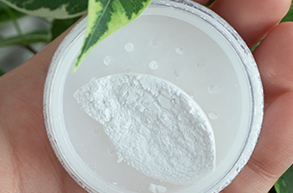
Zinc Oxide is a white, powdery mineral with a long history of use as sun protection.It is used in a wide range of cosmetics and personal care products, including makeup, baby lotions, and bath soaps.
The US Food and Drug Administration (FDA) has determined that zinc oxide is safe for use in cosmetic products in concentrations up to 25 percent.
What Are The Benefits Of Zinc Oxide In Your Sunscreen?
Zinc oxide is the only active sunscreen ingredient that covers the entire UVA/UVB spectrum.
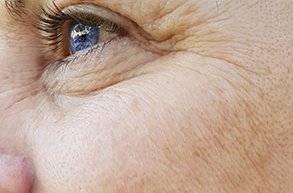
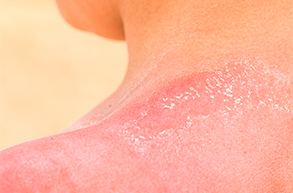
Not only does sun protection ward off signs of premature aging, including wrinkles, collagen depletion and sunspots, but it’s your skin’s #1 defense against skin cancer.
Zinc oxide is considered photostable and resistant to water. It won’t break down when exposed to the sun and it’ll hold up through sweat and swimming for longer time.
Which Skin Types Benefits Most From Zinc Oxide Sunscreen?
Sunscreens containing zinc oxide are beneficial for all skin types.
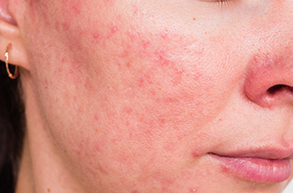
It is a good choice for people with redness and rosacea due to sensitive skin because it is considered non-irritating, non-allergenic, and non-comedogenic.
Zinc oxide is also an effective shield against the sun for babies (6 months and up) and young children whose skin may not be as mature and developed as adults because it sits on the skin like a barrier instead of getting absorbed into the skin.
What Are Some Considerations When Using Zinc Oxide Sunscreen?
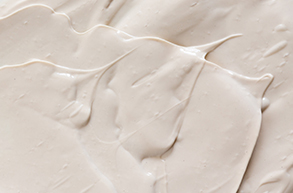
Zinc oxide in its raw form is stark white and has a very thick consistency. Physical sunscreens is that they can leave a white residue on the skin, especially on those with darker skin types. But many manufacturers have released newer formulas that use micronized particles or tints to minimize chalkiness.
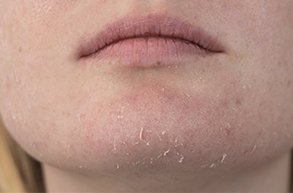
Sunscreens with zinc oxide have not been reported to cause contact allergy. Sunscreen ingredients are similar across all brands, and sensitivities to sunscreen are complex, so simply changing the brand of sunscreen may not eliminate a reaction.
A visit to your dermatologist is best to diagnose any reaction and help determine which ingredients should be avoided in the future.
What’s The Right Way To Apply Physical Sunscreen?
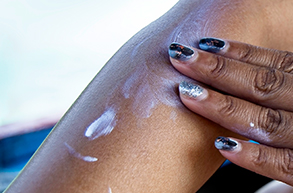
Work in small sections. Start with a pea to dime-size amount, rubbing it between the palms of your hands and blot it over the areas you want to cover. Rub it in well.
One study found that people apply only about 20 to 50 percent of the amount of sunscreen they need to achieve the amount of SPF on the label. To get full protection, most adults need about one ounce — or enough to fill a shot glass — to fully cover their entire body.
Since these sunscreens protect your skin by sitting on top of it, it's important to apply generously and in even layers to ensure there are no spaces of skin remaining exposed.
Don’t forget your back, neck, face, ears and the tops of your feet.
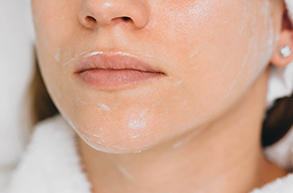
The whitening will also fade quickly. When applied correctly, you will only see a sheen on your skin. The sheen is also a great way to be able to see when it’s time to reapply, particularly for parents monitoring their children’s exposure time or those going in and out of the water.
Takeaway
Sun safety, which includes wearing sunscreen, is essential to preventing not just painful sunburns, but also skin cancer. The relationship between sun overexposure and skin cancer is well documented.
Sunscreen with zinc oxide is considered the safest choice for now. While chemical sunscreens act like sponges and absorb ultraviolet light, physical sunscreen acts like a shield. It sits on top of your skin and deflects UVA and UVB rays away from your body.
Physical sunscreens are also a better choice for those with sensitive skin, since they cause fewer skin reactions. Plus, zinc oxide is also a soother and healer of the skin, so it actually helps ease irritated skin, not trigger it.
The sunscreen industry has formulated tinted sunscreens that don’t look chalky on darker-skinned individuals.
After carefully analyzing the benefits of the sunscreen with zinc oxide, start to incorporate it to your daily skincare routine. Read The 5 Step Skincare Routine: A Beginner’s Guide on how you can best include it in your regimen.