The 5 Step Skincare Routine: A Beginner’s Guide
The skin is our body's largest organ and plays an important role in maintaining our overall health.
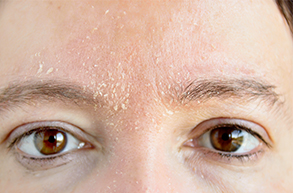
Just like brushing our teeth or washing our hair, it is essential to take care of our skin. Maintaining healthy skin allows it to function properly by providing protection from the elements, preventing moisture loss and helping us sense temperature as well as touch.
In this article, we’ll break down a basic 5 step beginner routine and how to create one that works for you.
Know Your Skin Type
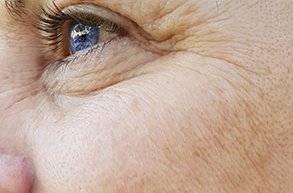
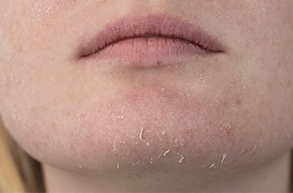
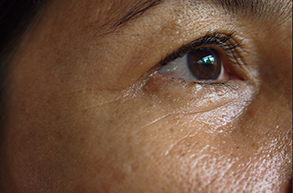
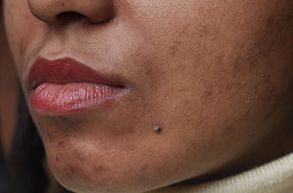
Identifying your skin type and skin concerns is the most important when creating a skincare routine.
Check out our cheat sheet to figure out your skin type:

Step 1: Cleansing
Cleansing is the first step in any routine, and arguably the most important. Cleansers remove any debris and dirt on the skin to prepare it for the rest of your steps and it also helps anti-aging products and treatments work properly.
But how do you know what type of cleanser to use?
- For oily to combination skin, a gel cleanser will be best. The lightweight gel texture deeply cleanses the skin without stripping it.
- For dry to normal skin or sensitive skin, a cream cleanser will be best. The creamy texture keeps skin hydrated while thoroughly cleansing.
If you wear makeup, you may want to consider using the double cleansing method. This means using an oil cleanser (if you have oily to combination skin) or a balm cleanser (if you have dry to normal skin) before using your regular water-based cleanser. This method ensures all makeup and debris is removed from the skin, keeping pores clear and healthy.
Step 2: Toning
Although toners can serve many different purposes depending on their ingredients, their main purpose is to rebalance the skin. If you have oily acne-prone skin, you may want to opt for a toner with a gentle Beta Hydroxy Acid (BHA) exfoliant to help with blackheads and clogged pores.
If you have dry skin, you may want to opt for a hydrating toner to add moisture and leave your skin glowing.
Step 3: Serums
Serums are concentrated formulas made to target specific skin concerns.
The benefit of a serum is that it can yield quicker results and treat a problem faster than other types of products. There are endless options for serums on the market, so make sure to shop according to the skin concern you want to correct.
For example, if you’re looking to lighten up hyperpigmentation and dark spots, you’d want to use a serum containing brightening agents like vitamin C.
Step 4: Moisturizing
Moisturizing helps protect the skin barrier, making for healthier and more hydrated skin. Knowing your skin type and skin concerns play a large role in picking the right moisturizer for you.
For oily to combination skin, we’d recommend opting for a lightweight gel moisturizer. This texture gives your skin all the hydration it needs without overwhelming it.
For dry to normal skin, we’d recommend opting for a heavier, more emollient rich cream. This texture locks in moisture to keep the skin hydrated for longer periods of time.
Step 5: Sunscreen
UVA and UVB rays can cause irreversible damage to the skin, so it’s crucial for you to always wear sunscreen during the day.
With sunscreens, there are different formulations that will fit your skin type. For those with oily skin, look for sunscreens that are more mattifying and contain silica gel, this helps to absorb oil and creates a matte finish. For those with dry to normal skin, look for sunscreens that have hydrating, noncomedogenic properties like hyaluronic acid, peptides, and ceramides. However, any sunscreen that meets your needs and is at least SPF 40, will do a great job at protecting your skin.
Don’t forget to reapply every 2-4 hours if your day is filled with outdoor activities!
Bonus Step: Exfoliation
Exfoliating is a beneficial part of any skincare routine and only needs to be done one to two times weekly. Picking the right exfoliant for you can be difficult but generally, chemical exfoliants are more gentle and they’re usually safer to start with.
If you want to know more about exfoliants and how to choose the right one for you, check out our article: Physical vs. Chemical Exfoliants: What’s The Difference?
Starting a skincare routine can be a daunting task, but once you understand the basics you’re only improving from there. In the long run, your skin will thank you for saving it from premature aging, clogged pores, and countless other issues that can stem from neglect.