Physical vs. Chemical Exfoliants: What’s The Difference?
Exfoliation is a crucial step of any skincare routine. With consistent use, the right exfoliant will help prevent breakouts by keeping pores clear, improving skin texture, brightening dark spots, unevenness and promoting skin cell turnover.
Exfoliants are separated into 2 basic types: physical and chemical. One exfoliant may be better than the other depending on your needs. It’s important to use the correct type of exfoliant to see the best results. In this article, we’ll discuss what physical and chemical exfoliants are, the pros and cons of both, and how to choose the right one for you.
What Are Physical Exfoliants?

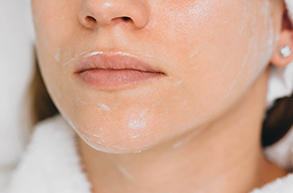
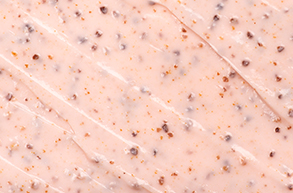
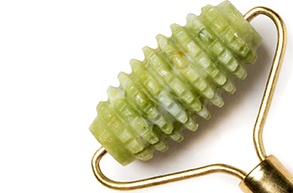
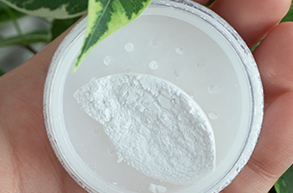
Physical exfoliation is any method that manually exfoliates the surface of the skin. This includes tools like cleansing brushes, loofahs, and washcloths; as well as products like scrubs and powders.
Microdermabrasion and dermaplaning are also two methods of physical exfoliation, but should only be done by a professional. These are both aggressive forms of exfoliation that can only be done when the skin meets certain criteria - such as no active breakouts, open wounds, or irritations. At-home methods or going to someone who isn’t licensed to perform these services properly can lead to serious damage to your skin.
Pros Of Physical Exfoliants
- Immediate results, the skin instantly looks smoother and feels softer
- Manual scrubbing motion increases blood flow to the face
Cons Of Physical Exfoliants
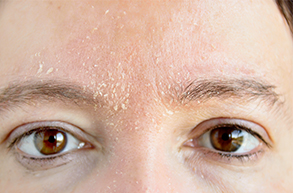
- May be too aggressive for those with sensitive or reactive skin
- More likely to cause dryness or irritation than chemical exfoliation
- Scrubbing too hard or using a product with granules that are too large or too sharp can lead to micro-tears on the skin
What Are Chemical Exfoliants?
Chemical exfoliation is using acids or enzymes to loosen the bonds between cells, allowing dead skin cells and other debris to be easily removed.
Alpha Hydroxy Acids (AHAs) and Beta Hydroxy Acids (BHAs) are two very common chemical exfoliants.
AHAs work by dissolving the protein bonds between dead skin cells. Glycolic and lactic acids are popular AHAs, and because they’re water-soluble these exfoliants work best for dry skin.
BHAs not only exfoliate the skin but have antibacterial and anti-inflammatory properties as well. This makes them a great choice for oily, acne-prone skin. Enzymes work by breaking down skin proteins into smaller particles. Fruit enzymes like Papain are naturally derived, making them most suitable for sensitive skin.
Pros Of Chemical Exfoliants
- Less likely to cause dryness or irritation, making them most suitable for sensitive or dry skin
- Offers additional benefits such as brightening and evening texture
- Penetrates the skin deeper to improve cell turnover
Cons Of Chemical Exfoliants
- Misuse can lead to dark spots, rashes, and irritation
When Should You Choose One Type Of Exfoliation Over The Other?
This depends on your skin type, the state of your skin, and any skin conditions you may have.
If you’re after immediate results, physical exfoliation provides a smooth texture instantly; while improvements may take longer with chemical exfoliation.
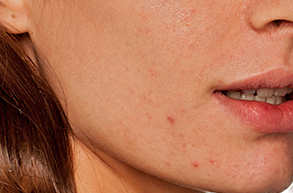
When using a physical exfoliant, your skin should be clear of breakouts, lesions, open wounds, or any irritation as this method will only further irritate the skin otherwise.
If you have sensitive skin, chemical exfoliation tends to be less harsh and fruit enzymes will be your best friend. If you’re seeking additional benefits, chemical exfoliation is the way to go. They help brighten skin, stimulate collagen production, and improve skin elasticity.
A Few Things To Keep In Mind When Exfoliating
Don’t Over-Exfoliate
There is no need to exfoliate more than 1-2 times weekly. Any more than that could cause damage to your skin and disrupt the skin barrier. If you’re already using products with retinol or hydroxy acids, choose a gentle exfoliant and use it once weekly. The more aggressive your chosen method of exfoliation, the less often you will need it.
Know Your Skin
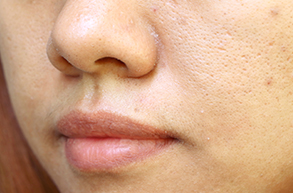
Understanding your skin type will allow you to pick the most effective exfoliant for you. Those with dry or sensitive skin should stick to a gentle chemical exfoliant like an AHA or fruit enzyme. Normal and combination types can generally use any method they prefer, while oily types can opt for a more aggressive BHA chemical exfoliant or physical exfoliant if you’re not breaking out.
Stay Hydrated
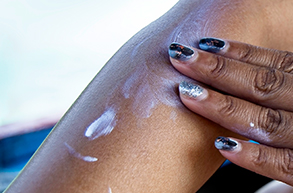
The key to avoiding redness or dryness after exfoliation is to keep the skin hydrated and protected. Make sure to use hydrating and moisturizing products while using sun protection.
Skip When Necessary
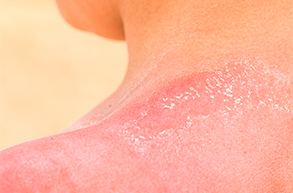
Don’t feel like you need to exfoliate every week. If you’re sunburned, experiencing excessive oiliness or dryness, or have any type of open wound, allow your skin to fully heal before continuing with your exfoliation routine.