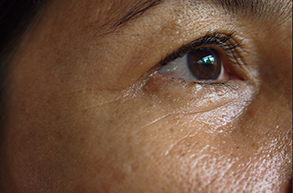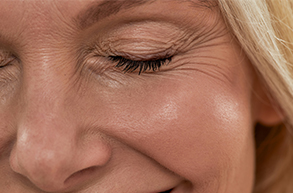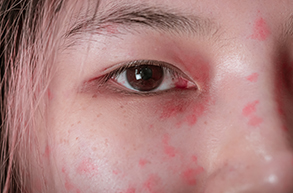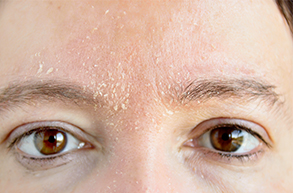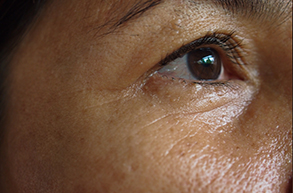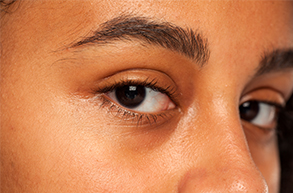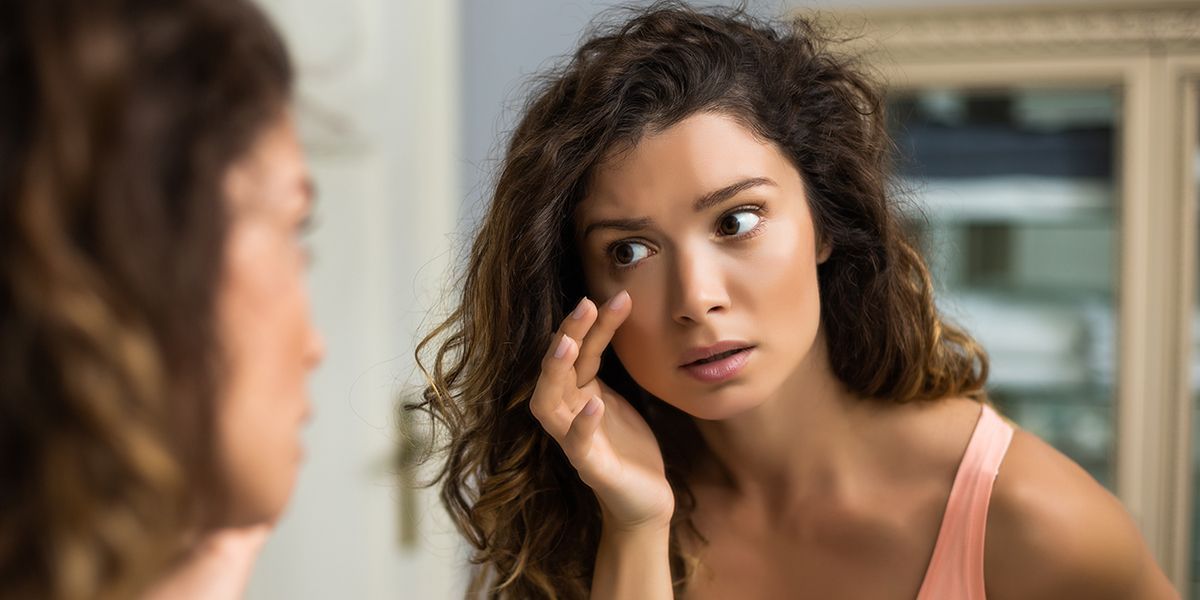
Waking up in the morning with puffy eyes can be frustrating and uncomfortable. When fluid builds up in the thin layers of tissue surrounding your eyes, your eyes and eyelids can swell.
In this article, we will discuss why you might be waking up with puffy eyes and offer some tips on how to soothe them and when it is cause for concern.
6 Main Causes of Swollen Eyes In The Morning
Many things can contribute to eye puffiness, but the underlying cause has to do with fluid accumulation around your eyes and the surrounding skin tissue. This tissue is among the thinnest in your body, so any swelling there is easy to see and hard to hide.
- Too much salt
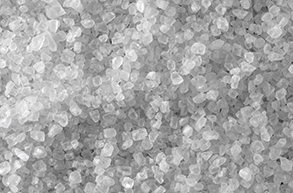
The first thing that could be responsible for your early morning puffy eyes is too much salt. When your diet contains too much sodium, your body is more likely to retain fluids.
If your puffy eyes are a result of fluid retention and too much salt in your diet, they'll tend to be worse in the morning. That's because you don't drink water overnight while you're sleeping, so your body can become very dehydrated by morning.
- Allergies
If you are allergic to pollen or certain food items, it can show up as puffy eyes. When you suffer from an allergic reaction, your body produces histamine which can lead to puffiness, redness and irritation in response.
If you wake up with puffy eyes, you may be allergic to something in your bedroom. For example, it could be a new fabric softener in your sheets or a new plant you added to the space. On the other hand, if you like to sleep with the windows open, pollen or other allergens may aggravate the situation.
- Lack of sleep
The quality and quantity of your sleep play a key role for swollen eyes in the morning. They may increase the fluid and blood retention around your eyes in the morning. This is especially true if your puffy eyes are often accompanied by dark circles or bags under your eyes.
- Excessive alcohol consumption
As is the case with excessive salt consumption, high alcohol intake also causes dehydration. This in turn, can cause eye swelling. Alcohol causes blood vessels to dilate, so fluid accumulation can occur.
- You’re getting older.
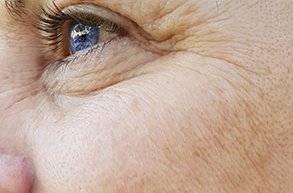
The most common cause of your puffy eyes may simply be a product of your body’s age. Aging causes tissues and muscles to weaken around the eyes and the fat pads descend and bulge, causing puffy under eyes.
- Not drinking enough water
Your body starts retaining water to store for future water needs when you don’t drink enough water. This can lead to puffiness and swelling on your face and body, especially in the morning, as usually a whole night is spent without any water consumption.
What You Can Do About Puffy Eyes
Whether you naturally have puffy eyes or are dealing with one of the issues above, here's what you can do to reduce swelling around your eyes.
- Try an eye cream
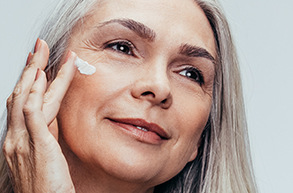
There are many eye creams on the market that may relieve puffiness. Some ingredients to look for in an eye cream include chamomile, cucumber, and arnica. These all contain properties that may reduce inflammation and tighten the skin.
- Use a cool compress
You can reduce eye puffiness by resting a cool washcloth on your eyelids for about 10 minutes. This can help drain excess fluid from under your eyes.
A compress of green or black tea bags may also do the trick. The tea contains antioxidants and caffeine that can reduce inflammation and constrict blood vessels.
- Address your allergies
Talk with your doctor if you have year-round or seasonal allergies. Allergies can cause your eyes to redden, swell, and puff up. This may prompt you to rub your eyes more, resulting in further puffiness.
Your doctor can help create a treatment plan to alleviate your symptoms. This may include eye drops and over-the-counter or prescription medications.
- Drink enough water
Eye puffiness can be the result of dehydration. Make sure you drink plenty of water every day to keep your skin healthy. The general rule of thumb is to drink eight 8-ounce glasses of water daily.
- Pass on the salt
Eating too much salt can cause additional fluid retention in your body. Stick with a low-salt diet for about a week to help you feel less swollen.
- Talk to your doctor about cosmetic surgery
If your eye puffiness is severe, and if lifestyle changes or other remedies don’t work, you may want to consider cosmetic surgery.
One type of surgery is blepharoplasty, which is eyelid surgery. During this procedure, a doctor moves or removes excess fat, muscle, and skin in your eyelid.
When To See The Doctor
In many cases, eye swelling subsides after a few days with over-the-counter or home remedies. Call your eye doctor right away if swelling lasts longer than 24 to 48 hours and you notice any of the following:
- Pain in the eye area
- Blurry vision.
- Decreased vision
- Seeing floaters
- Sensation that something’s stuck inside your eye.
- The swelling is red and you feel burning
- Your eyes suddenly water
- You notice blisters on the eyelids
Takeaway
Puffy eyes are common and persistent beauty challenges for many people. You may notice puffy eyes as you age or for a number of temporary reasons, such as lack of sleep, poor diet, or seasonal allergies.
There are a few things you can do to reduce eye puffiness. Applying a cool compress for a few minutes can help to depuff eyelids. Drink lots of water to help flush out excess fluid your system is holding on to.
Eye cream treatments can also help to relieve puffy eyes. Look for in an eye cream include chamomile, cucumber, and arnica, ingredients with properties that may reduce inflammation and tighten the skin.
If you experience chronic eye puffiness, talk to your doctor about cosmetic surgery. If the swelling lasts longer than 48 hours, consult your doctor. It may be a sign of a more serious condition.