What Is Retinol?
Retinaldehyde, retinoids, Retin-A, chances are you have heard of some of the terms before while looking for skincare products. These ingredients are vitamin-A derivatives and fall under the retinol umbrella.
Retinol is a fan favorite for anti-aging products but provides other benefits outside that scope. Today we will discuss all the nitty-gritty details you need to know before you apply it to your skin.
Breaking Down Retinol
Retinol is a synthetic derivative of vitamin-A that your body cannot produce on its own. It needs to be supplied by diet or topical skin care.
It is the gold-standard ingredient in skin care because of the profound effect it has on mature skin.
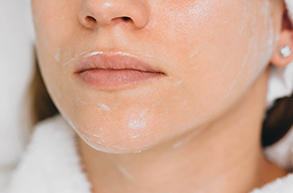
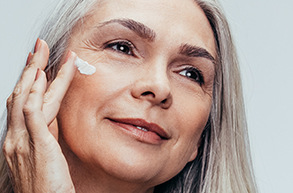
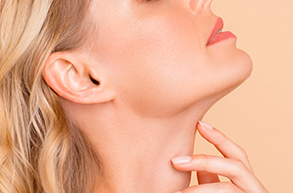
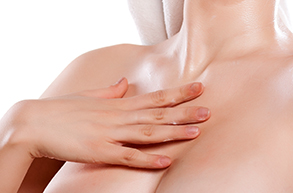
There are multiple forms of retinol on the market, but they all share the same application method of being applied topically. When applying retinol you don’t have to stop at your face, your neck and decollete are often overlooked when applying skin care products.
It is especially important to apply retinol to these areas if you are using retinol for anti-aging purposes. Your neck and decollete age in the same way your face does.
Benefits Of Retinol
Applying Retinol topically can include the following benefits:
- Exfoliates skin
- Increase in collagen production
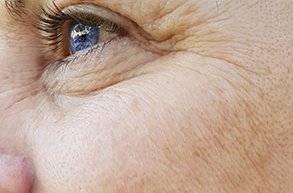
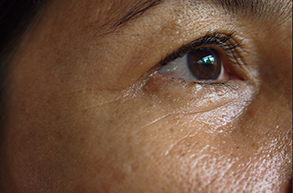
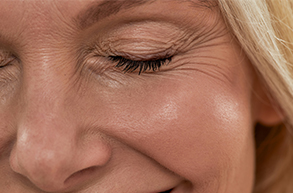
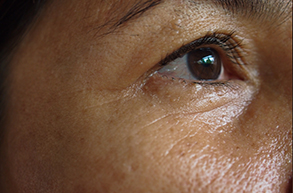
- Reduce the appearance of fine lines and wrinkles
- Regulates oily skin and minimizes breakouts
- Fade dark age spots
What To Consider With Retinol
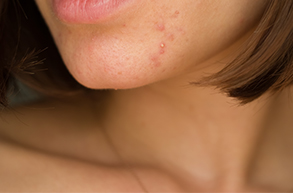
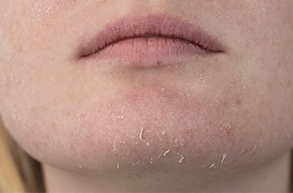
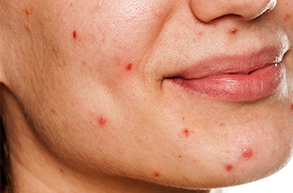
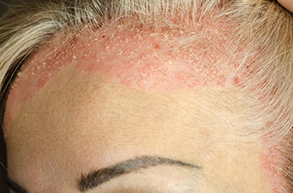
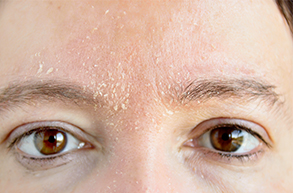
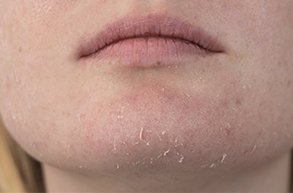
Since retinol is a potent ingredient, there are negative side effects that can impact your skin if it’s used too quickly or too often. Flakiness and breakouts can occur when you introduce retinol into your routine.
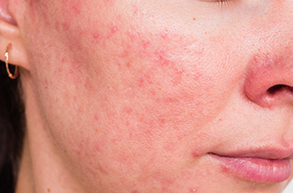
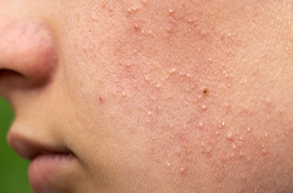
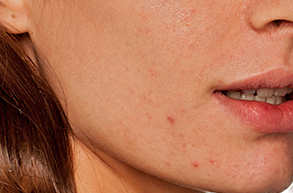
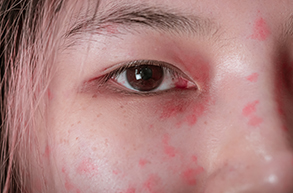
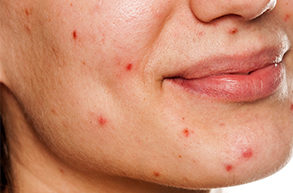
This is known as the purging phase, where you will experience patches of acne, blackheads, and whiteheads. This phase lasts a few weeks, but is followed by worthwhile benefits.
If you want to get the most out of retinol, begin slowly by adding it to your nightly routine one to two times per week for the first week and slowly increase the frequency from there.
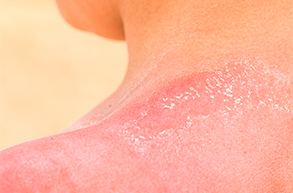
If you experience inflammation or peeling, consider using retinol less frequently a few times a month.
When To Use Retinol
Retinol should be used only at night and should be paired with wearing SPF every day! This is important to remember when you start applying retinol because it makes your skin more sensitive to UV rays and decreases the efficacy of the product.
Speak to a skin care professional to help select which product will be best for you to use and how to include it in your routine.
What Does Retinol Treat?
Retinol is used to treat the following skin concerns:
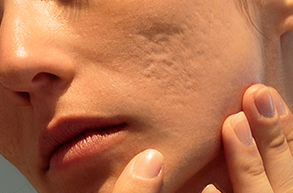
- Acne- topical retinol can help reduce inflammation that comes with a breakout.
- Dark Spots- retinol can lighten age spots, sun spots, and buildup of melanin over time.
- Fine Lines and Wrinkles- retinol can improve the appearance of aging by slowing the breakdown of collagen.
How Long Does It Take Retinol To Work?
In order to see visible results, it will take at least several weeks before you see an improvement in your skin.
Is Retinol safe for my skin?
Yes, retinol is safe to use and is one of the most effective anti-aging skin ingredients. Retinol may cause minor side effects including irritation and dryness that are normal as your skin adjusts.
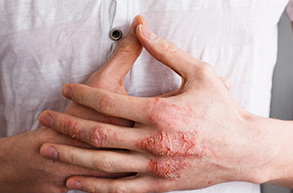
If you have sensitive skin, rosacea, or eczema, you should avoid using Retinol to prevent adverse skin reactions.