What Is Oily Skin
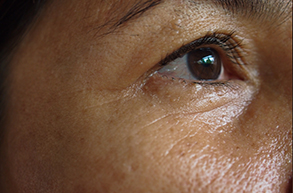
Notice that your skin releases a little extra shine? Fact is, everyone has oil in their skin. Under each of your pores is a sebaceous gland that produces natural oils called sebum.
This oily substance lubricates the skin and protects it from damage. In some people, the sebaceous glands can produce too much oil. This creates oily skin.
While there may not be an easy cure for preventing your skin from producing too much oil, there are ways to control this skin condition. Read on to learn the options for managing your oily skin.
What Are The Signs Of Oily Skin
The most common signs of oily skin include:
- The skin feels greasy or oily
- The skin appears shiny
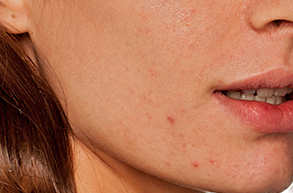
- Occasional problems with breakouts
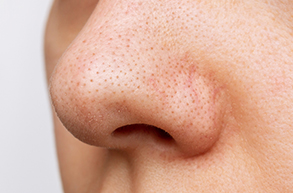
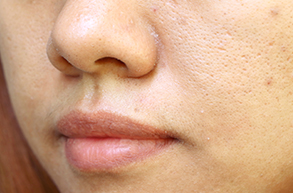
- The pores are more obvious, possibly larger
- Issues with blackheads or clogged pores
- The skin appears thicker and may have a rougher texture
What Causes Oily Skin
Take a look at some of the most common causes of oily skin below.
- Genetics - Oily skin tends to run in families. If one of your parents has oily skin, you’re likely to have overactive sebaceous glands, too.
- Climate - If you have issues with oily skin periodically but not consistently, your environment or climate may be the cause. Heat and humidity in the air may actually encourage your skin to produce more sebum.
- Hormones - Hormones play an integral role in sebum production. This is why people can be more prone to oily skin and breakouts during events like puberty, menopause, pregnancy, or even during the menstrual cycle.
- Over-Washing - The last thing you want to do is over wash your face using harsh products if your face is too shiny. Scrubbing too hard with washcloths, other abrasive tools or with coarse exfoliators will strip the skin of moisture, causing glands to overproduce oil. Gentle cleansing is important.
- Medication - Oral contraceptives and hormone replacement medication can cause an increase in oil production. Many medications can also cause dehydration that leads to a production of excess oil.
- Cosmetics - It’s important to always use skincare products that are appropriate for your skin type, are of a high quality and are labeled as either oil-free or non-comedogenic.
- Poor Diet - It may be difficult to not indulge in foods that contain sugar, refined carbohydrates and dairy. Consuming them too frequently may lead to overactive sebum production and the greasy sheen that accompanies it.
Benefits of Having Oily Skin
Having higher sebum levels can actually benefit your health. Sebum contains vitamin E, an antioxidant that can help prevent blood vessel diseases. High levels of sebum can also help protect the skin against infection and strengthen the body’s antioxidant defense.
Additionally, while many people suffer from dry skin and its uncomfortable side effects during winter, those with oily skin enjoy a year-round natural glow and are actually less likely to experience these symptoms.
Most skin care experts also agree that those with oily or combination skin types often age more slowly. Oily skin remains lubricated, preventing fine lines and wrinkles.
You may not enjoy it now, but with proper skin care, you may find your skin benefits from that excess sebum down the road.
How To Minimize Oily Skin
Oil is meant to naturally moisturize and protect the barrier of the skin, but too much or too little can be problematic. You don’t want to get rid of oil completely, but you want to balance it out.
Here is how to keep the shine in check:
- Cleansing - The general rule is to cleanse your skin morning and night. However, you may also need to cleanse your skin after a workout or after spending a lot of time in the heat if you live in a warm, humid climate.
- Toning - This helps remove excess oil along with dirt and makeup without stripping your skin of essential moisture.
- Using Astringents - Use an astringent to tighten pores and further remove oil, if your skin is excessively oily. Astringents contain high levels of alcohol so these should be used every other day, and never use them after you’ve exfoliated your face.
- Moisturizing – Choose a non-comedogenic formula to help keep pores clearand your skin looking healthy and hydrated.
- Exfoliating - Exfoliating is good for preventing pores from cloggingbut be gentle when applying it to the face so as not to irritate the skin.
- Apply a Facial Mask Once a Week - A deep-cleansing facial mask containing clay can soak up excess oil, reducing shine for several days. However, these masks may still over dry your face, so consider applying them only to the oiliest areas.
- Blotting papers - They will not treat the sebum production in the skin, but they can be used to lift excess oil off the skin throughout the day to make it appear less shiny.
When To Consult A Professional
While oily skin is unlikely to lead to serious health complications, it can cause embarrassment or decrease confidence. When nothing else seems to work, consider seeing a dermatologist.
Many of the same medications for stopping acne are similarly recommended for treating oily skin.
Takeaway
Oily skin occurs when sebaceous glands in your skin produce too much of a waxy, oily substance known as sebum. Climate, genetics, and fluctuations in hormones are just a few of the reasons why your face may be oily.
Fortunately, there are things you can do to reduce oily skin and the risk of breakouts.
Are you ready to get rid of excess oil and shine in your face? Consult with one of our estheticians to get the best recommendations on products for oily skin at Dermava.com