What Is Hyaluronic Acid?
This highly raved about product is everything people say it is. Its moisturizing and repairing benefits allow for maximum skin absorption and defense. Using hyaluronic acid in any of its forms replenishes the body for a smooth and optimal function. Read along as we breakdown this substance's origin and how it works within your body.
What Is Hyaluronic Acid?
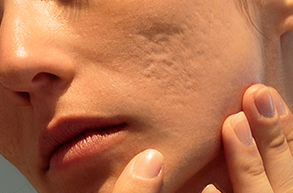
Hyaluronic acid (HA) is a lubricant that is naturally produced by the body. It is commonly found in joints, tissue, the eyes, hair and skin. It aids in mobility, provides skin durability and hydration throughout the body. This substance is also greatly known for the acceleration of scar and wound healing.
Some people hear the word acid and associate it with an exfoliating agent like glycolic acid or salicylic acid. Hyaluronic acid is not an exfoliant and is called an acid due to its low pH level. It happens to be very gentle with many benefits for all skin types.
Although hyaluronic acid is a naturally occuring fluid, it is commonly created in laboratories to mimic the same polymer produced by the body. It can be created by a fermentation process of certain bacteria and is also found in the red comb-like structures on a rooster's head.
How Does Hyaluronic Acid Work?
Hyaluronic acid is a polysaccharide, or chain of molecules that allows other molecules to attach to it. When water binds to hyaluronic acid, it holds up to 1000 times its weight. Other nutrients like vitamins can also attach for delivery throughout the body.
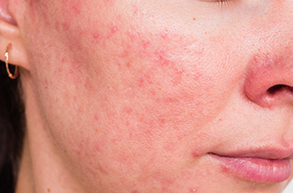
Another function of HA is to grow new tissues for torn and damaged skin. Its scalpel-like structure allows tissues to regenerate for wound healing. It increases the body’s self defense mechanism as well as proving beneficial for inflammation related skin conditions like rosacea.
Because HA typically has a large molecular size, it doesn't penetrate the skin like most companies may advertise. If used topically, hyaluronic acid lubricates the outermost layer of skin (epidermis) to provide surface hydration and form a protective barrier. Using moisturizers and serums that contain hyaluronic acid work to draw moisture from the environment to aid in the appearance of dry skin.
Different Forms Of Hyaluronic Acid
Most people are familiar with this ingredient in over the counter skin care products, however hyaluronic acid comes in different formulas for many different purposes. For more information about the benefits of HA, take a look at our article titled “Benefits of Hyaluronic Acid”.
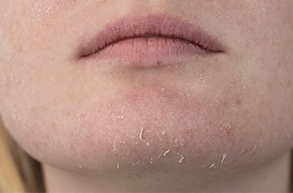
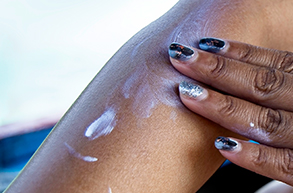
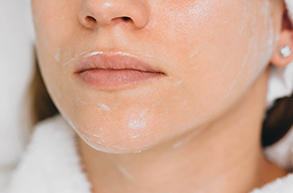
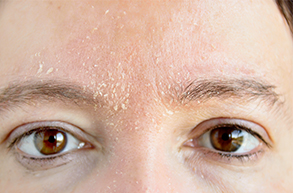
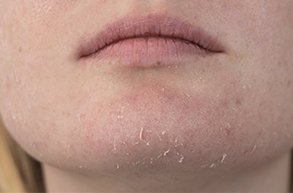
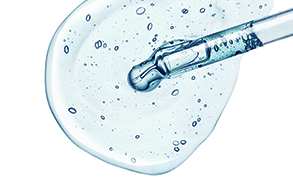
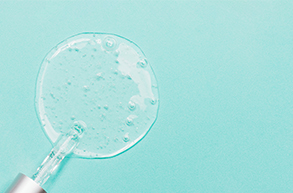
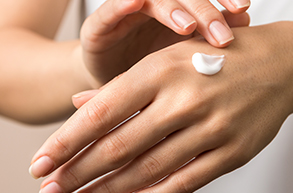
- Topical application- This is the most common form of hyaluronic acid advertised to consumers. It's usually found in serums and moisturizers to address topical skin conditions like dry and flaky skin.
- Injections- When considering injectable forms of HA, it's best to consult with your doctor to be sure this method is suitable for you. Injectable hyaluronic acid is a short term alternative for fillers and botox and can also be used to alleviate joint pain.
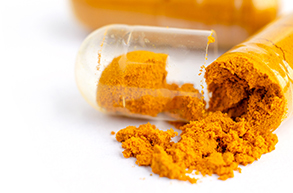
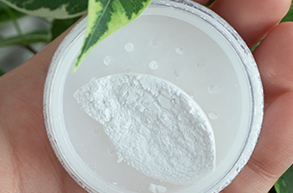
- Supplements- Capsules and loose powder have proven to be the best forms of hyaluronic acid to take by mouth and support overall skin health.
For a personalized selection of hyaluronic acid, chat with a licensed skin care professional at Dermava.com. To do this, sign up for free and complete our online skincare assessment to receive a customized routine that best matches your skin type, tone and conditions!