You may have heard of glycolic acid but have no clue on what it actually does or if it's okay for you to use.
Today we will highlight this gold standard ingredient and clarify any conflicting thoughts that give reason to why you haven't incorporated it into your skincare regimen.
There are more benefits than harmful side effects and we list them all here for you.
Breaking Down Glycolic Acid
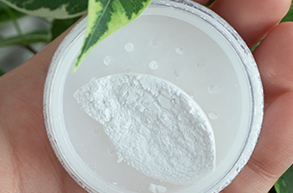
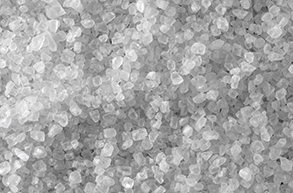
This naturally occurring ingredient is found in the sugar cane plant, but can also be lab produced.
The small molecular size of glycolic acid allows for easy penetration into the skin making it an ideal and very effective ingredient.
Glycolic acid is generalized in a category of skincare acids labeled AHA’s abbreviated for alpha hydroxy acids.
This popular acid is used for skin resurfacing, which is the removal of dead skin cells from the outermost layer of the skin.
Benefits Of Glycolic Acid
Glycolic acid is most popular for its exfoliating benefit which is associated with the following skincare goals,
- Brightening
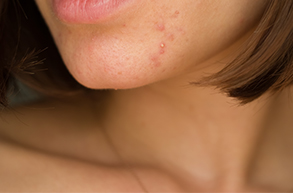
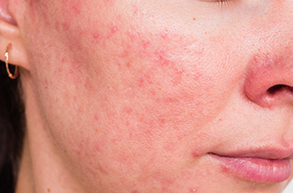
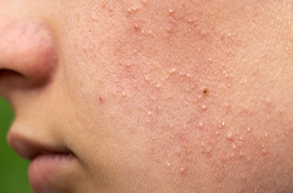
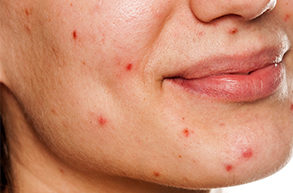
- Acne control
- Skin hydration
- Increase product absorption
For more information on the benefits of glycolic acid, check out our article on "Top 6 Glycolic Acid Benefits"
What To Consider With Glycolic Acid
Over the counter products containing glycolic acid should not be used every day.
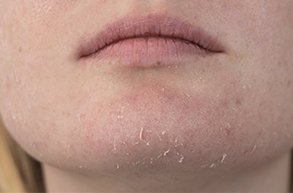
It is recommended by professionals to use this ingredient in your skincare routine no more than 2 to 3 times per week. Over use of this product can damage the skin’s barrier causing a tight or plastic like texture to the applied area.
When considering the use of this ingredient, remember that glycolic acid dissolves dead skin cells and exposes new skin.
This can be a contraindication to other facial treatments or environmental factors.
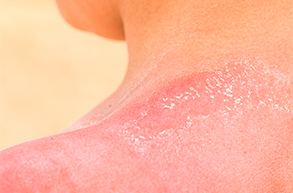
Avoid using glycolic acid and other exfoliating acids before waxing to the same applied area, long exposure of UV rays either in nature or tanning beds, on inflamed acne pustules and sunburned skin as well.
When To Use Glycolic Acid
Glycolic acid is compatible for all skin types and is formulated in many different products like cleansers, toners, masks, serums, and moisturizers. Because of the efficacy of this ingredient, it is recommended to use at night.
Choosing which product to use depends on your skin condition and desired results.
Speak to a skin care professional to help select which product will be best for you to use and how to include it into your routine.
What is glycolic acid used for in skin care?
Glycolic acid is used to treat the following skin concerns:
- Acne
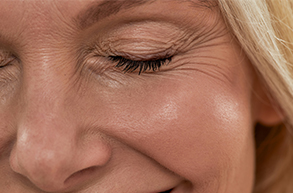
- Anti-Aging
- Brightening
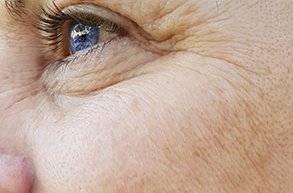
- Fine Lines and Wrinkles
- Hyperpigmentation
Can glycolic acid shrink pores?
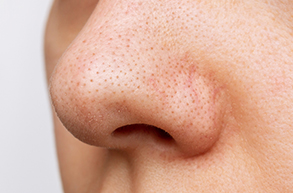
No. Pore size is genetic and cannot be changed; however, pores appear bigger and expanded if they are clogged with dead skin cells or extra oil.
Even though clean pores appear smaller, know that the actual size of your pores will not change - they will either be empty or full.
Keep this in mind when shopping for masks, astringents, or exfoliators that promise smaller pores. These products are removing excess dead skin and oil from the skin.
Is Glycolic Acid Safe For My Skin?
Glycolic acid is safe in concentrations of up to 10% in over the counter at-home products and up to 70% when applied by a licensed esthetician, dermatologist, or health care professional.
Now that you know what glycolic acid is you can better prepare to add this gold standard ingredient to your skincare regimen.
Be sure to follow the directions given on the product for how to use and if you have any questionss, ask your esthetician or dermatologist.
If you need further assistance on choosing a product or how glycolic acid can specifically benefit your skin, complete or update your skincare profile at Dermava.com for our expert advice.