Ferulic acid for skin is a real superhero of an ingredient, especially when it comes to prevention. It’s one of ferulic acid’s main jobs: protecting the skin from elements that try to harm it.
The use of ferulic acid for skin health is common, and it can yield some impressive results. In this article, we will discuss what ferulic acid is, benefits of ferulic acid, and how to use ferulic acid.
What Is Ferulic Acid?
Ferulic acid (FA) is a phytochemical found in plant cell walls. A phytochemical is a chemical compound created by plants to help them thrive (and also to protect them from predators and pathogens).
This powerhouse ingredient is highly regarded for protecting the skin barrier from environmental stressors like pollution and infrared radiation that ultimately cause premature aging.
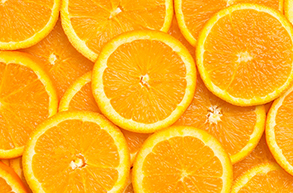
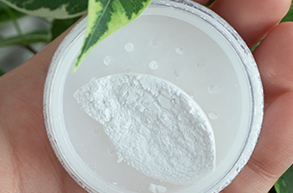
Ferulic acid is found in many natural sources, including rice, oats, wheat, seeds of fruits, some vegetables, and nuts, where it acts as a protective, self-preserving element.
It has proven that one of the biggest benefits of ferulic acid is its ability to stabilize multiple ingredients, such as vitamins C and E, so they can last longer without losing their potency. Ferulic acid works best when you apply it closest to the skin to optimize its protective qualities.
Benefits Of Ferulic Acid
- Anti-Aging
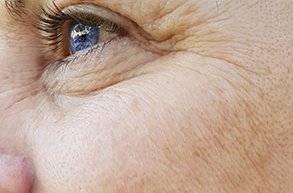
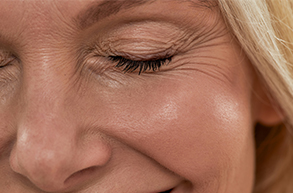
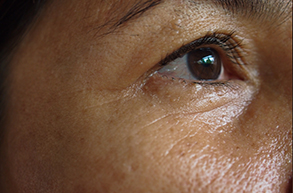
Aging skin is natural, but elements like UV light and sun exposure can hasten the action and lead to premature aging. When free radicals overtake your skin’s antioxidant defense, it results in oxidative stress. Oxidative stress causes visible signs of aging such as loss of elasticity, dullness, wrinkles, and age spots.
Ferulic acid is a strong scavenger of free radicals and helps reduce the aging effects of damaging free radicals on the skin.
- Brightening
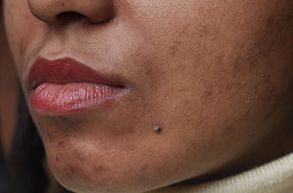
Ferulic acid forms a secure barrier as well as contributes to the skin’s healing process, helping reduce dark spots and uneven pigmentation.
- Smoothening
Ferulic acid helps in regenerating and rejuvenating the skin cells and making your skin look brighter and younger. This includes skin that has undergone damage. It can also correct your skin’s texture and smoothen it out.
- Works On All Skin Types
Ferulic acid works extremely well on each and every skin type. It’s gentle and mild-natured.
- Protects Skin From External Factors
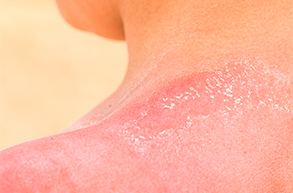
Ferulic acid also protects your skin from sun damage. It can stimulate the regrowth and renewal of skin that is already damaged by the sun.
- Boosts Effects of Other Skincare Ingredients
Ferulic acid is known for its ability to enhance the effects of vitamin C and E, helping to stabilize them so they leave skin appearing luminous.
- Reducing inflammation
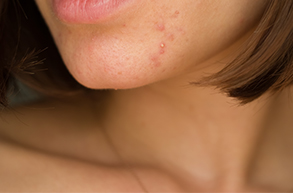
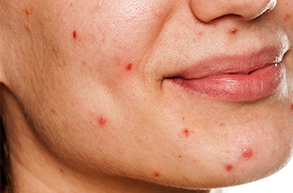
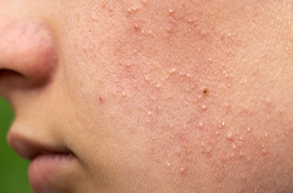
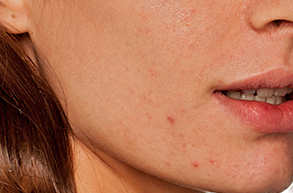
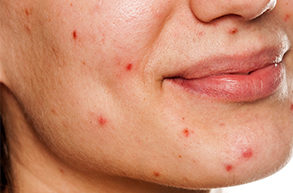
Thanks to its anti-inflammatory properties, ferulic acid is also a great ingredient for people struggling with acne since it can help calm an existing pimple while also discouraging any post-acne dark spots.
Risks and Side Effects of Ferulic Acid
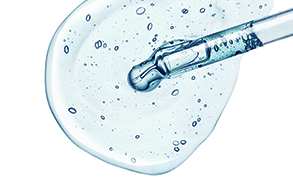
Ferulic acid serums and creams are generally safe for most skin types. However, like any skincare product, can cause side effects. While overall rare, certain people’s skin may simply not respond well to ferulic acid serum.
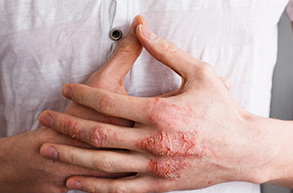
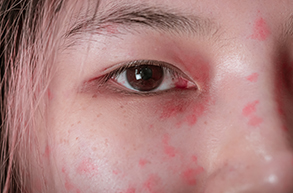
- Sensitive Skin - If you have sensitive skin, you may not tolerate products containing ferulic acid. This can cause:
- Mild redness
- Irritation
- Allergic Reactions -If you're allergic to bran or oatmeal, you may also have an allergy to ferulic acid serums derived from bran or oats. Symptoms tend to be mild and may include:
- Redness
- Swelling
- Itching
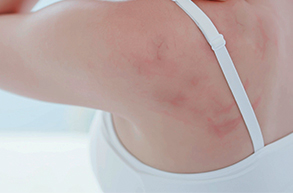
- Rash
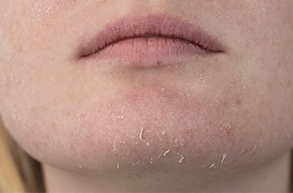
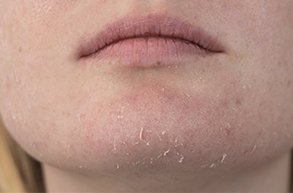
- Peeling
Stop using the product right away if you have any of these symptoms.
Before using a ferulic acid serum, test some on a small patch of skin and wait 24 hours to see if a rash or other allergy symptoms appear.
Products With Ferulic Acid
Ferulic acid is an active ingredient in many skin care products. Some products that may contain ferulic acid include:
- Day serums or creams – Some day serums and creams also contain vitamins C or E, retinol, or resveratrol. An effective product might contain around 3% ferulic acid.
- Night serums or creams - Some night serums and creams combine ferulic acid with other active ingredients, such as retinol.
- Eye creams - These are usually a lighter version of the creams.
- Sunscreens - A sunscreen with ferulic acid may help protect the skin more effectively than one without it. Experts recommend using sunscreen with an SPF of at least 30 every day.
- Brightening products - Ferulic acid can help reduce hyperpigmentation and even the skin’s tone.
What You Should Not Mix With Ferulic Acid
Ferulic acid should not be used with exfoliating agents such as salicylic acids, lactic acid, or glycolic acid. It may alter the pH, which can change how effective the antioxidant is.
How To Use Ferulic Acid For Skin
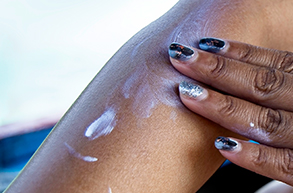
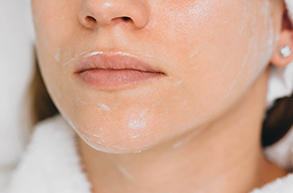
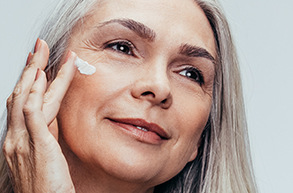
The easiest way to incorporate ferulic acid in your skincare routine is to find a serum or moisturizer that includes it in the ingredients list. Many vitamin C serums and moisturizers contain ferulic acid to help boost the effectiveness of vitamin C in the product.
When using a serum or moisturizer with ferulic acid, here is a good order for your daily skincare routine:
- Cleanse with a gentle facial cleanser.
- Refresh and re-hydrate with a soothing toner.
- Apply a serum with ferulic acid.
- Treat the delicate skin around your eyes with a dedicated eye cream.
- Finish with a rich hydrating moisturizer like
- Apply sunscreen with SPF 30 or greater.
Ferulic Acid And Pregnancy
Ferulic acid is a safe, natural ingredient that can be used by pregnant women. While it can’t change the effect hormones have on the skin, as an antioxidant, it will help deflect many of the environmental stressors that wreak havoc on the skin.
However, we always recommend consulting with your doctor on issues of skincare and pregnancy.
How To Store Ferulic Acid
You should protect ferulic acid from heat, sunlight, and oxygen. Look for products that come in dark glass containers that shield the serum inside from direct sunlight. Store the products in a cool place, not in a bathroom that regularly gets warm and steamy.
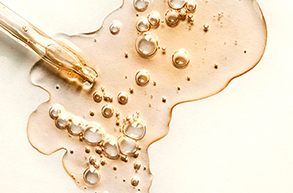
Keep an eye on the color of any ferulic acid products. It will change color as it’s exposed to oxygen. If you notice that it has changed from a light golden hue to a darker brown color, that means it has oxidized and is no longer effective.
Takeaway
Ferulic acid is a natural compound in plant cells. Its antioxidant properties may help fight the effects of free radicals, even the skin’s tone, and reduce signs of aging.
Benefits of ferulic acid include reducing inflammation, brightening, smoothening, and protection of the skin.
Experts generally consider ferulic acid to be safe, unless you have sensitive skin or an allergy to ferulic acid. Do not mix ferulic acid with salicylic, glycolic, and lactic acids. It may affect the effectiveness of the antioxidant.
You'll often find ferulic acid in anti-aging products alongside ingredients such as niacinamide, resveratrol, and vitamins C and E in day/night creams, sunscreens and brightening products.
If you're ready to elevate most of the ingredients in your skin-care routine to perform their best, grab some of these ferulic acid-infused favorites here.
To consult one of our estheticians to know if ferulic acid is right for you, create an account at Dermava.com.