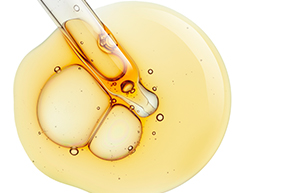
What Is Facial Oil?
When it comes to moisturizing your face, face creams, serums, and moisturizers are usually the first thing that comes to mind. While these products have their own benefits, face oils provide a unique hydration that sets them apart. Many people think facial oils are only suitable for dry skin, but this is a myth. In this piece we will highlight the components of facial oil, benefits, and bust any myths you may have heard.
Breaking Down Facial Oil
Facial oil serves two functions: emollient and occlusive. An emollient is a substance that helps soothe and increase moisture levels. An occlusive ingredient locks in moisture and provides a protective seal over your skin to prevent loss of hydration.
It is composed of nutrients and fatty acids that nourish and revitalize the skin by fortifying and repairing the skin barrier within the outermost layer of skin.
Benefits Of Facial Oil
There are many benefits of using facial oil. It works along with your skin’s natural oils to seal in moisture. Facial oil strengthens your skin barrier, the skin barrier supports cell walls and prevents water evaporation. Here are the other benefits of using facial oil:
- Reduces wrinkles
- Relieves dry skin
- Protects skin
- Provides a flawless base for makeup
- Promotes a healthy glow
What To Consider With Facial Oil?
Looking for the right facial oil can be challenging. The main factors to consider are molecule of oil size and skin type. Oil with a large molecular structure can't penetrate through the top layer of skin. Lighter oils with a smaller molecular structure penetrate the skin quickly.
If you have dry skin, we recommend using a hydrating serum and follow up with a facial oil to properly hydrate your skin. Marula oil is a great option for dry and combination skin. It helps reduce redness and does not feel heavy on your face.
On the other hand, if you have normal skin, squalene and jojoba will work best mixed in with your moisturizer. Lastly, if you have oily or acne-prone skin, jojoba and tea tree oils are light in texture and don't make your skin feel greasy.
When to use Facial Oil?
We recommend using facial oils daily and at night when it will be most easily absorbed. If you have dry skin, you may benefit from adding facial oils to your morning routine. The timing of application will depend on your skin type because oil production varies throughout the day. Your skin will produce a lot of its own oil during the daytime and will not absorb as much facial oil. Oil or sebum production is lowest in the evening.
Speak to a skin care professional to help select which product will be best for you to use and how to include it in your routine.
Do You Apply Facial Oil Before Or After Moisturizer?
Based on evidence, facial oils shouldn’t be applied before moisturizer. Facial oils are an occlusive ingredient and seal in hydration. Therefore, they should be applied last in your routine. Moisturizers contain water, but oils do not. Water cannot penetrate the skin through oil, therefore you should apply facial oil after moisturizing.
Does Facial Oil Clog Pores?
Facial oils are usually lightweight and absorb into the skin quickly, therefore they are unlikely to clog pores. The main two types of fatty acids that compose facial oils are linoleic and oleic acid. Linoleic acid is thin and easily penetrates the skin. Oleic acid is thicker and feels richer on the skin.
Which Facial Oils To Avoid?
Fragrance or essential oils such as citrus, eucalyptus, geranium, lavender, and rose oil.