Acne is a common skin condition that effects an estimated 80% of people at some point in their lives.
Acne occurs when pores are clogged by sebum, hair, bacteria, or dead skin cells. Those with oily skin are the most susceptible to breakouts because of the excess oil their skin produces.
In this article we’ll discuss the different types of acne, who is most susceptible to it, the causes, and what you can do to treat it.
What Are The Different Types Of Acne?
Acne can be a broad term, and there’s actually multiple different types of acne. A person could even have multiple types of acne all at once.
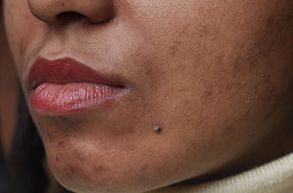
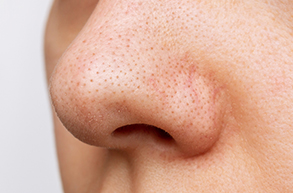
- Blackheads: Open pores clogged with excess oil and dead skin. They appear as a dark spot on the skin, but are caused by irregular light reflection off the clogged follicle.
- Whiteheads: Closed pores clogged by excess oil and dead skin.
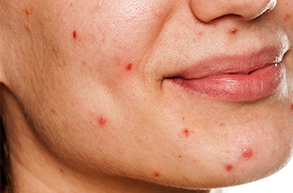
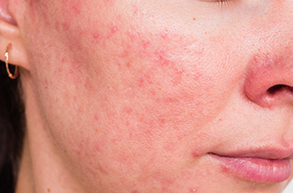
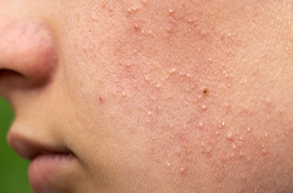
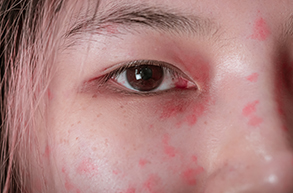
- Papules: Small red bumps that become inflamed and tender.
- Pustules: Pus containing pimples that appear as whiteheads with a red ring surrounding them.
- Nodules: Large, painful, solid pimples deep in the skin.
- Fungal acne: Small, itchy, inflamed bumps that occur when an excess of yeast develops in the hair follicles.
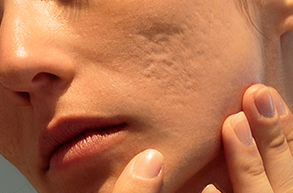
- Cysts: Painful pimples containing pus, deep under the skin. These may leave scars.
How to Know When You Have Acne
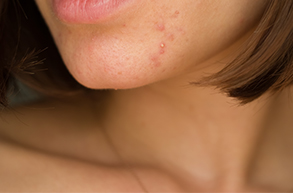
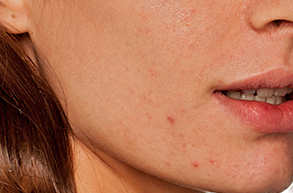
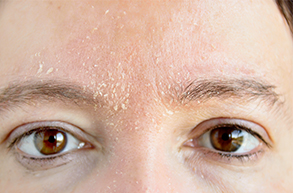
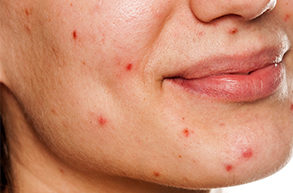
Most commonly, you will see red pimples on your skin that may develop into whiteheads.
Mild acne can be easy to treat but when your case becomes more severe, it may be time to look at alternative treatments. If you’re experiencing irritation and increased sensitivity, you’ll first want to seek help from an esthetician or dermatologlist.
High frequency treatments, topical medications, and antibiotics are just a few ways to treat severe acne.
Who Is Most Susceptible to Acne?
Typically those with an oily skin type tend to struggle with acne the most.
An excess of oil leads to clogged pores and build up on the skin. That’s why it’s important for those with oily skin to use products with lightly exfoliating ingredients like salicylic acid, benzoyl peroxide, and glycolic acid.
What Causes Acne?
There’s a nearly endless list of triggers for acne but here’s a few:
- Genetics: most acne prone skin is genetic. It’s very likely that if you have a parent that struggled with breakouts, you will too.
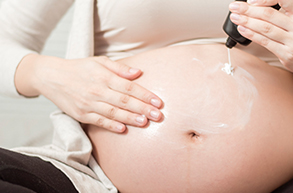
- Hormones: Acne is most common in teenagers because of the hormonal changes they go through. When androgen levels rise during puberty, the sebaceous glands enlarge to produce more oil. Hormonal acne can also occur during menstruation and pregnancy.
- Stress & Anxiety: These directly affect the levels of hormones such as cortisol and adrenaline. These stress hormones cause the production of testosterone, which increases oil production.
- Neglect: Without properly caring for your skin, it’s very likely to suffer. A build up of sebum and debris on the skin will lead to break outs.
- Diet: Your skin is a direct reflection of your lifestyle. Eating unhealthy, fatty, sugary, or greasy foods can show on your skin. A healthy diet, enough water, and a daily vitamin can sometimes be all you need to solve your acne problems.
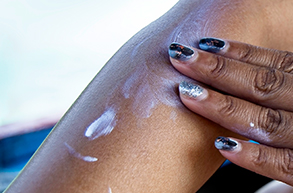
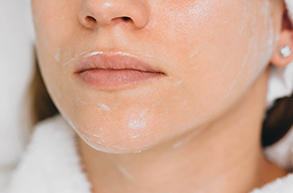
Knowing what you are treating is just half the battle. You will also need to treat acne with the right routine for your skin. For help building your acne routine or if you have questions for an esthetician, please create or update your Dermava profile.