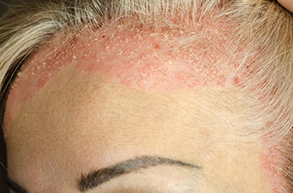
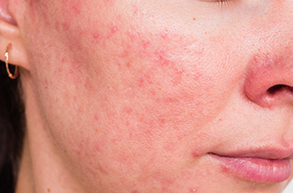
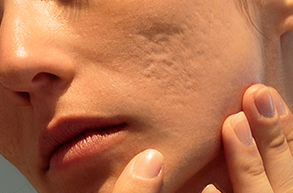
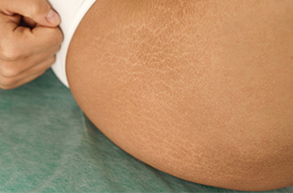
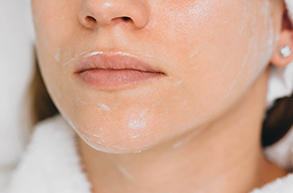
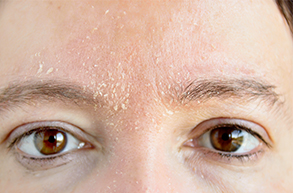
A peel is a method of advanced exfoliation that helps with the skin’s turnover process.
There are common misconceptions about peels being overly harsh, but there are a variety of peels and, with proper use can yield great benefits.
In this piece, we will go over the proper way to perform a face peel and other helpful tips!
What Does A Peel Do?
Facial peel is a treatment that sloughs away the dead skin to reveal a bright and smooth complexion.
Depending on the strength of your peel, a light peel removes the top layer of skin cells while a mild peel removes the top and middle layer of skin cells.
Our skin cells turnover approximately every 28 days, but this process slows down as we age. Peels are a great option to aid the turnover process.
What Types Of Peels Are There?
Peels are often separated into four different types: Glycolic Acid, Beta Hydroxy Acid, Trichloroacetic Acid, and Phenol.
- Glycolic Acid Peel: A glycolic acid peel is commonly used to treat skin discoloration and uneven skin texture. This peel removes the uppermost layer of skin and promotes production of collagen.
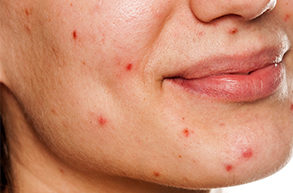
- Beta Hydroxy Acid Peel: A Beta Hydroxy Acid peel deeply penetrate clogged pores and remove dead skin cells. This peel is ideal for oily and acne-prone skin.
- Trichloroacetic Acid Peel: A Trichloroacetic Acid peel is a mild peel that treats fine lines, mild skin discoloration, and tightening of sun-damaged skin. This peel penetrates five layers of skin and can take one to two weeks for the skin to heal post procedure.
- Phenol Peel: A phenol peel is the most intense peel because it penetrates all the way to the reticular layer of the dermis. This allows the peel to target wrinkles and shallow scars.
Benefits Of A Peel
Using a Peel regularly can have numerous benefits for the appearance of your skin, including:
- Helps maintain a bright and smooth complexion
- Removes dull/dead skin cells from the skin’s surface
- Exfoliates the skin and can treat breakout and hyperpigmentation
- Speeds up the cell turnover process
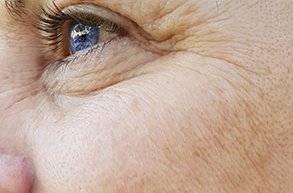
- Minimizes the appearance of wrinkles and aging of the skin
Drawbacks Of A Peel
Peels are beneficial for skin renewal and when administered by a skincare professional is perfectly safe. However, with improper use, you may see:
- Inability to sweat excessively for 24 hours after a procedure to allow the skin to heal
- Darkening or lightening of skin during the healing process
- Scarring may occur depending on the strength of the peel and skin sensitivity.
Do I Really Need To Use A Peel?
No, facial peels are not necessary to have healthy glowing skin.
Using a peel helps target many skin imperfections and improves skin renewal, but isn’t essential to add to your routine.
Can A Peel Also Moisturize?
No, a peel exfoliates the skin instead of delivering hydration.
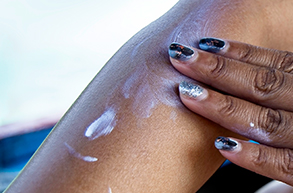
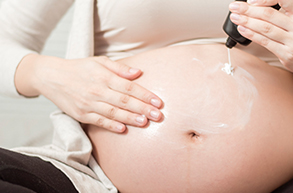
It’s important to follow up with a moisturizer after you get a facial peel. Without a moisturizer, the skin can become too dry, tight, and uncomfortable.
Now that you have a better understanding of what a Peel is and how a Peel works, you can begin (or update) your skincare regimen that will lead to great, healthy skin.
To consult a licensed esthetician or need help finding the right products for your skin, create an account or update your profile.