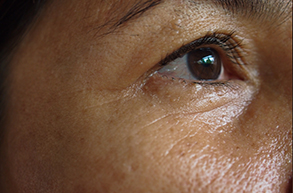
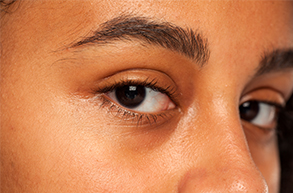
Everyone deserves to feel confident about their looks. If your eyes appear tired all the time, with dark circles or a sunken and hollow look, even when you’re well rested, under eye fillers may be an option for you.
If it is something you’re thinking about, this article will fill you in on the procedure and what you can expect in terms of results.
What Are Eye Fillers?
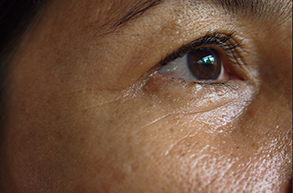
Under-eye filler, also referred to as dermal filler or tear trough filler treatment, is a popular cosmetic solution for tackling tired looking eyes. The interface between your lower eyelids and upper cheek is referred to as the tear trough area.
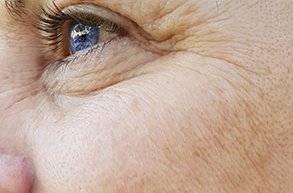
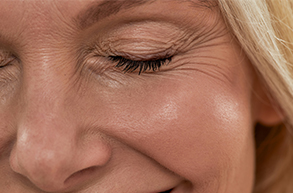
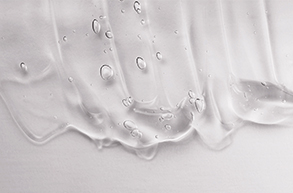
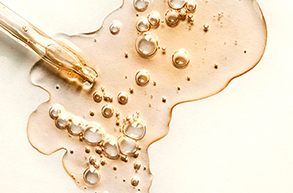
Under eye filler treatment is a non-surgical procedure that involves carefully injecting a gel-like substance into specific areas around the eyes, which works to replace the lost volume brought about through the aging process. The outcome is smoother, younger-looking, more radiant skin, and a reduction in deep wrinkles and lines.
Types Of Eye Fillers
There are different types of eye filler treatments. It’s important to note that no filler is currently approved by the Food and Drug Administration (FDA) for the under eye area.
However, there are some that are routinely used off-label. These include:
- Hyaluronic acid
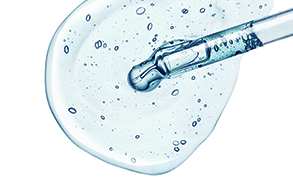
Hyaluronic acid is naturally produced by the body. Hyaluronic acid fillers are made from a synthetic gel that mimics the body’s natural substance. Popular brand names include:
- Restylane
- Belotero
- Juvederm
Hyaluronic acid fillers have been shown to support collagen production in the skin. Lidocaine, an anesthetic that helps numb the area, is an ingredient added to some types of hyaluronic fillers.
Since they’re transparent, easy to smooth, and less likely to clump, hyaluronic acid fillers are the most common filler type used in the under-eye area.
Hyaluronic acid provides the shortest result of all the fillers but is considered by some practitioners to provide the most natural look.
Result: lasts anywhere from 9 months to 1 year.
- Poly-L-lactic acid
Poly-L-lactic acid is a biocompatible, synthetic material that may be injected via a process called linear threading.
This substance significantly invigorates collagen production. It’s marketed under the brand name Sculptra Aesthetic.
Result: lasts as long as 2 years
- Calcium hydroxylapatite
This biocompatible dermal filler is made from phosphate and calcium. It’s able to stimulate collagen production in the skin and helps support and sustain connective tissue, adding volume to the area.
Calcium hydroxylapatite is thicker than hyaluronic acid. It’s often diluted with an anesthetic before injection.
Some practitioners shy away from using this filler for concern that the area under the eye will become overly white in color. Others cite a concern that nodules may form under the eye.
Calcium hydroxylapatite is marketed under the brand name Radiesse.
Result: lasts from 12 to 18 months.
- Fat transfer (fat grafting, microlipoinjection, or autologous fat transfer)
If you have a deep tear trough where your lower lid and cheek meet, your provider may recommend using an injection of your body’s own fat to build up the area. The fat is usually taken from the abdomen, hip, buttocks, or thigh.
It requires liposuction and surgery recovery and more downtime and more risk associated with it due to the need for anesthesia. It is also not recommended for people who may absorb fat quickly through lifestyle factors, such as elite athletes or cigarette smokers
Result: lasts as long as 3 years.
Procedure
Here’s a general breakdown of the procedure:
- Your doctor will mark the area where the injection will take place and sterilize it with cleansing fluid.
- They’ll apply a numbing cream to the area and will let it absorb into the skin for a few minutes.
- Your doctor will use a small needle to pierce the skin. In some instances, they’ll inject the filler into the area through the needle. In other instances, a blunt-edged cannula containing the filler will be inserted into the hole made by the needle.
- One or more injections will be required under each eye. If linear threading is done, your doctor will inject a tunnel of filler into the site as the needle is slowly withdrawn.
- Your doctor will smooth the filler into place.
If you’re having a fat transfer, you’ll first undergo liposuction under general anesthesia.
Many people feel virtually no pain during an eye filler procedure. Some report feeling a slight prick. There’ll be a feeling of pressure or inflation as the filler is injected.
Although the injection needle isn’t inserted right next to the eye, it can be psychologically uncomfortable to feel a needle coming that close to your eye.
The entire procedure lasts from 5 to 20 minutes.
Recovery
In general, this is what you can expect during recovery:
- After the procedure, your doctor will give you an ice pack to apply to the area.
- You may see some redness, bruising, or swelling afterward, but in most instances these side effects will be short-lived.
- Your doctor will recommend a follow-up appointment in a few days to assess the area and to determine whether an additional injection of filler is needed.
- Several injections over a period of weeks or months may be recommended.
- Unlike synthetic fillers, if you have fat grafting done, you can anticipate a 2-week downtime period.
Who Is A Good Candidate
Under eye fillers are most effective for people who have dark under eye hollows caused by genetics, as opposed to lifestyle factors.
Aging can also cause sunken eyes and a dark, hollow look. As people age, the pockets of fat under the eye may dissipate or drop, causing a hollowed-out look and a deep separation between the under eye area and the cheek.
Who May Not Get It
Not everyone is a good candidate for getting eye fillers. If you smoke or vape, your doctor may caution you about getting eye fillers. Smoking may hinder healing. It may also reduce how long results last.
Eye fillers haven’t been tested for safety in pregnant or breastfeeding women and aren’t advised to use during these times.
Possible Side Effects
Make sure to let your doctor know of any allergies you have to avoid a potential allergic reaction to the filler. In most instances, the side effects from eye fillers will be minimal and short-lived. They can include:
- redness
- puffiness
- small red dot at the injection sites
- bruising
Less-qualified practitioners can cause serious side effects to occur, like from uneven application of filler or accidentally piercing a vein or artery.
Serious side effects include:
- uneven results, such as a lack of symmetry between each eye
- tiny bumps under the skin
- nerve paralysis
- scarring
- blindness
Alternative To Under Eye Fillers
If under eye injections are not for you, your best bet is to use products that are rich in collagen and growth factors. They are helpful in revitalizing wrinkled faces by stimulating new collagen production to firm up skin texture.
Treatment lotions with retinol can also improve skin texture, pore size, dark circles and appearance of bags that appear under the eyes.
Hyaluronic acid is another active ingredient that should be on your skincare products since they keep the skin moisturized, plump and hydrated.
They may only work short term, but it is a more affordable, needle-free alternative to under eye fillers worth considering.
Takeaway
Eye fillers are used to lighten the tear trough or under eye area. They make that area look plumper and brighter. Reducing under eye shadows can make you look well rested.
There are several types of fillers that may be used, including hyaluronic acid, which is the most common type. Filler materials are used off-label because they’re not yet approved by the FDA.
The procedure of injecting under eye fillers typically takes only a few minutes. After the procedure, it may take time for bruising to fade, swelling to go down and filler to settle. It can take a few weeks to see the final results.
Under eye fillers are very safe. The most important factor when getting under eye fillers is to go to an experienced, board-certified dermatologist or cosmetic surgeon who understands the intricate anatomy around your eyes.