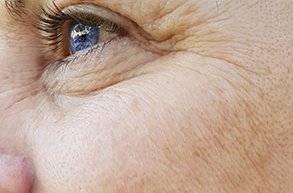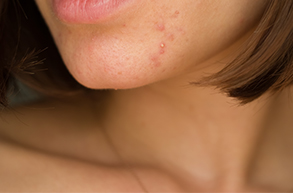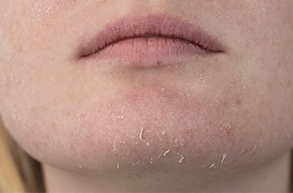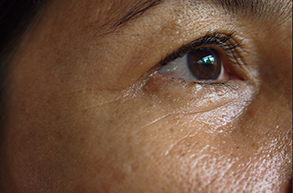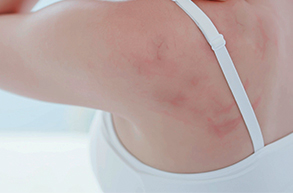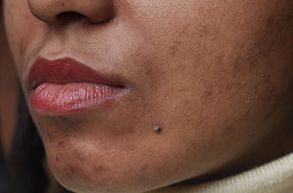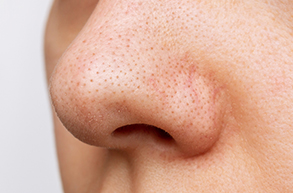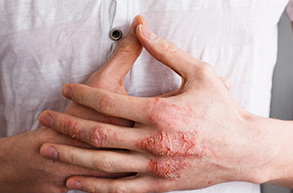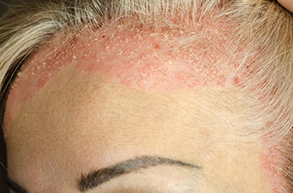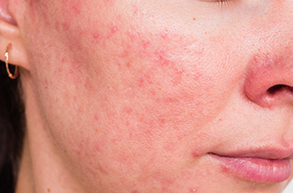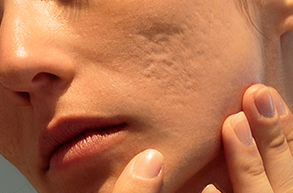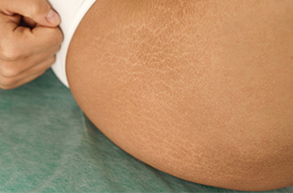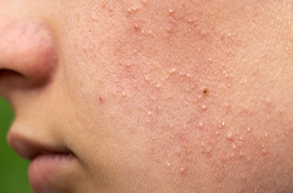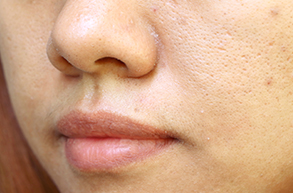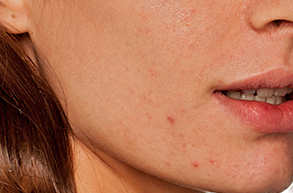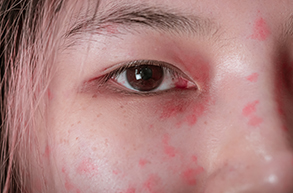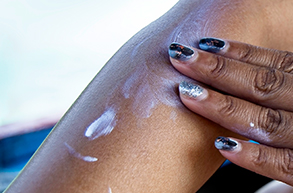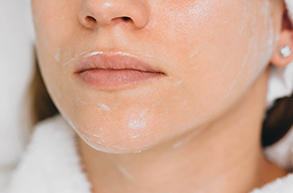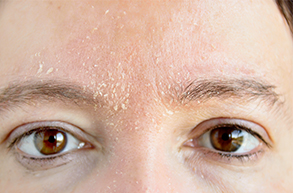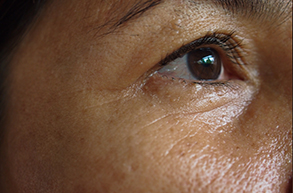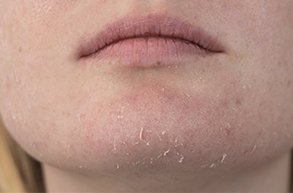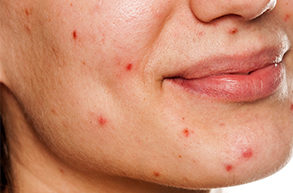
Most of us have a few small bumps on our faces. They may be due to breakouts, but they can also take in different forms, shapes, colors, and textures. These bumps are also mostly harmless, provided that they don’t bleed or change in color and size rapidly. Knowing what kind of bump you have can help you deal with them effectively.
In this article, we will explore possible causes for tiny bumps on the face, along with home remedies and medical treatments.
Types Of Bumps
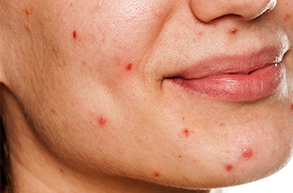
- Acne
Acne can form anywhere on your face and body when a hair follicle becomes clogged with dirt, oil, and dead skin cells. Your oil gland is meant to produce sebum (oil) to keep your skin moisturized. Once the follicle is clogged, the oil has nowhere to go and the buildup can be a nightmare for your skin.
Treatments
Begin using active ingredients like benzoyl peroxide and/or salicylic acid. Benzoyl peroxide is commonly recommended to treat acne. It acts as an effective antibacterial treatment that delivers oxygen into your pores unclogging them and killing bacteria. Salicylic acid acts as an anti-inflammatory agent and promotes the shedding of dead skin cells.
- Milia
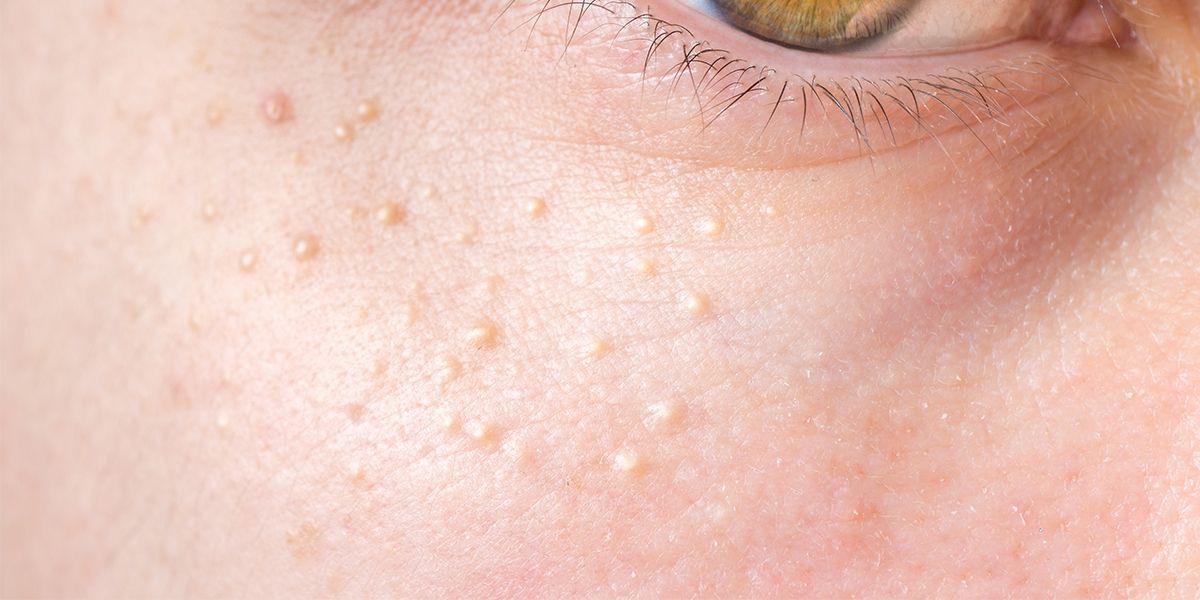
Milia, also called milk spots, are commonly spotted in newborn babies, but occur in children and adults too. They are small white bumps occurring on the skin near the eyes, cheeks and nose of your face.
They occur when the protein keratin or dead skin cells become trapped underneath the surface of your skin.
Treatments
Treatment options include alpha hydroxy acids (AHAs) that help in skin exfoliation. Even though milia are harmless, you may be irritated at their sight. You may consider extraction options under the supervision of a dermatologist.
- Moles
Moles are red or brown spots, or bumps found on the face. Moles are common in a lot of people. They form when melanocytes (skin cells that produce melanin) grow in clusters rather than spreading out.
Treatments
If a mole begins to increase in size, color or shape, there could be an underlying problem. The most serious problem could be the onset of skin cancer. Make sure you consult a dermatologist if you notice a bleeding mole or a discolored mole.
If there is no increase in size, follow a routine of cleansing your face twice a day with a gentle yet effective cleanser. Steam open your pores. Exfoliate once a week to get rid of the dead skin cells. Also, make sure you protect your skin with sunscreen every time you step out.
- Keratosis pilaris
Keratosis pilaris is more commonly known as chicken skin. They’re harmless and can appear anywhere but are most commonly found on the back of your upper arms. These rough bumps are very tiny, reddish in color, and can be found in patches.
It's due to a buildup of keratin, a protein that naturally occurs in the skin, hair, and nails. Excess keratin can plug the opening of the hair follicles, forming tiny bumps.
Treatments
A product with salicylic acid can help exfoliate the skin and smoothen it over time. Just be patient and consistent in applying it.
- Skin tags
These are usually oval-shaped, benign skin growths that connect to the skin on your body or face, via a stalk. They feel soft to the touch and typically appear on the neck, upper chest, eyelids, groin area, and underarms. Generally, older adults get skin tags, which experts believe may form when skin rubs together.
Treatments
Skin tags are totally harmless as long as they don’t grow rapidly, change color, or become infected or painful in any way. If your skin tag exhibits any concerning changes (like those of moles), call a dermatologist to get it checked out if you can.
If your skin tags aren’t bothering you, there’s no reason to remove them. A dermatologist can remove them by cutting them off or cauterizing them with heat.
What Not To Do When You Have Bumps
- Do not touch your face with unclean hands
- Do not aggressively scrub your face or use a harsh soap or cleanser
- Do not pick, pop or squeeze a mole on the face
- Do not use moisturizers that have oil in them or are greasy
Maintaining Healthy Skin
Some causes of bumps, like acne, may be genetic. But it’s possible to minimize your risk of developing more bumps.
To keep your skin healthy, follow these tips:
- Wash your face. Use a gentle cleanser to wash your face twice a day and after sweating.
- Moisturize. After washing your face, apply a noncomedogenic, oil-free moisturizer to keep your skin hydrated.
- Protect your skin from the sun. Wear sunscreen and a wide-brimmed hat to avoid irritation.
- Avoid the use of excessive makeup on your skin.
- Use a disinfectant while washing your face to prevent bacterial or fungal infections.
- Avoid rash shaving or overusing products to prevent shaving bumps on your face.
- Do not exchange or borrow personal items (like towels or razors) that can spread infection.
- Keep your body hydrated, exercise regularly, and eat healthy food.
Takeaway
There are several different types of bumps that can form on your skin, including acne, milia, moles, skin tags and keratosis pilaris. Most of them are harmless, but a few might be a symptom of a serious concern. Once you identify the types of bumps on your skin, you can begin addressing how to treat them.
Skin care doesn't stop at creams. Lifestyle factors like diet can significantly affect those bumps, whether you're dealing with acne, or even keratosis pilaris. Always wash your face, moisturize and use sunscreen as part of your healthy skincare routine.
In general, if a bump does not change in color or shape, bleed or increase in size, it probably doesn’t need any type of medical attention. Some bumps can often be managed at home or with your dermatologist through a skincare regimen.