What Are Sulfate-Free Shampoos?
"Sulfate-free" is a big buzzword in the haircare world, but what exactly are sulfates? Is choosing a sulfate-free shampoo better for your hair and maintaining your hair color? In this article, we will be sharing some insight and research on the topic, as well as best hair practices for keeping color-treated hair healthy and protected.
What are Sulfates?
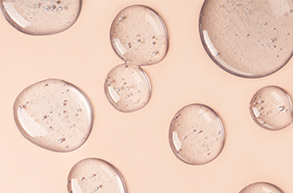
Sulfates are a group of surfactants, which derives from the words "surface-active cleansers." Surfactants usually take the form of a hydrophilic (or water-loving) head and then an oil-soluble (or water-hating) tail. When you have all of these surfactants in water, they work to decrease the surface tension of the water and then form into little balls called micelles. Micelles work to trap dirt, sebum, and oil from whatever surface you are applying them to, whether that be your face or hair, so that they can be removed since oil is not water-soluble. By forming micelles, detergents and soaps are able to make sure cleansing is done efficiently and easily.
Types of Sulfates
While there are many different types of sulfates, here are a few that are commonly used in shampoo formulations.
- Sodium Lauryl Sulfate
- SodIum Laureth Sulfate
- Ammonium Lauryl Sulfate
Benefits
Because shampoo without sulfates doesn't strip the hair of its natural oils, it doesn’t irritate the scalp and rarely causes allergies like some shampoos containing sulfates do. Sulfate-free shampoo might take slightly longer to distribute the product and fully coat your hair, and it’ll take a little extra time to ensure the product is completely rinsed out of your hair, but it won’t leave your hair feeling squeaky clean and dry like those with sulfates. Many sulfate-free shampoos contain more natural oils, so they can smooth down any unwanted frizz that can come with abrasive, oil-stripping sulfates. This is especially great for taming the unwanted effects of summertime humidity or the dry hair we experience in winter thanks to indoor heating.
Drawbacks
One of the biggest issues with sulfate-free shampoos is that the ultra-mild cleansers found in some of them are sometimes not enough to remove heavy product buildup. This can leave your hair feeling greasy and often requires more than one wash if you have long or thick hair, so you end up using more shampoo to get the job done. Not to mention, most sulfate-free shampoos don’t help alleviate dandruff, though there are a few products designed for this on the market.
Common Q&A
Q: HOW OFTEN SHOULD YOU USE THIS TYPE OF SHAMPOO?
A: If you opt for a sulfate-free shampoo, you can use it the same way you would a regular one. There are no additional steps you need to follow. How often you use it depends on your hair type. If you wash your hair once or twice a week, use the shampoo that often. If you wash your hair more or less, work it into your routine as you would a normal shampoo.
Q: WHAT BENEFITS DO SULFATE-FREE SHAMPOOS OFFER?
Sulfate-free shampoos are much gentler on the scalp and strands. They ensure your color doesn’t fade and your scalp and strands don’t dry out. Overall, they’re much kinder to your hair and scalp. Each and every expert notes that this is critical for proper hair and scalp care.
Q: SHOULD EVERYONE USE A SULFATE-FREE SHAMPOO?
All the experts agree—sulfate-free shampoos are beneficial for every hair type and texture. They’re especially beneficial for those with dry scalp and hair or those who have color-treated strands. Again, sulfates can potentially strip your color and make your hair even dryer.
Conclusion
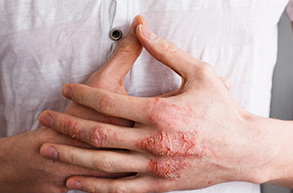
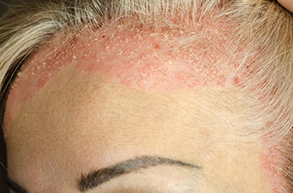
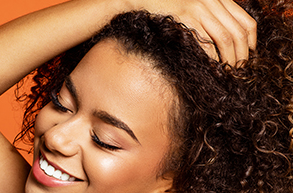
Sulfate-free shampoos have a host of benefits, so they are a great product to add to or keep in your routine but are not mandatory to use. They are most beneficial to those with medical conditions on the scalp, such as eczema, ichthyosis, or allergy-prone scalps. People with curly or coarser hair types can also benefit from switching to a sulfate-free shampoo since those types tend to be dryer.