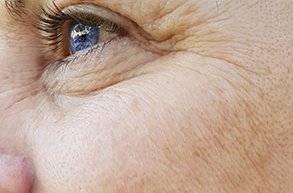
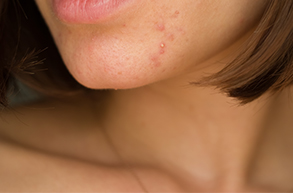
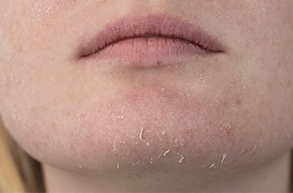
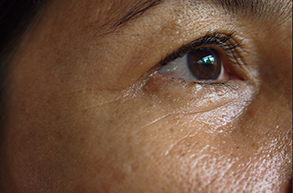
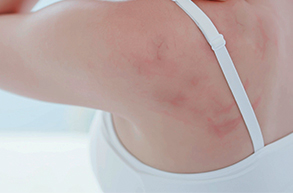
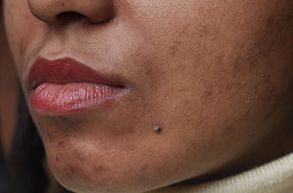
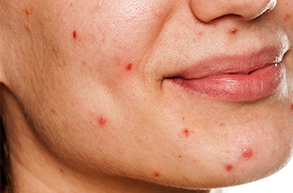
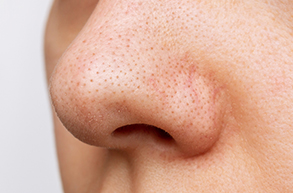
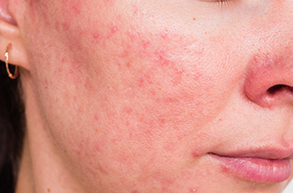
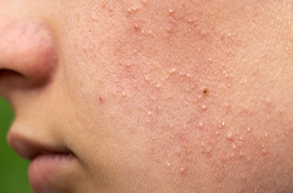
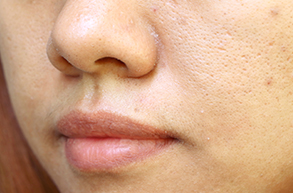
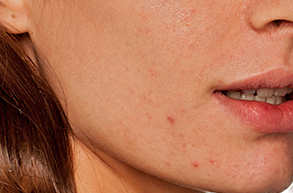
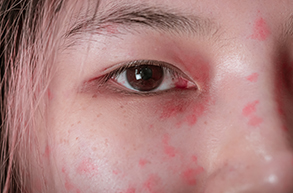
Milia are those little white bumps that are less obvious than acne and blackheads but can be just as annoying. Appearing as tiny, hard lumps under the skin, milia often mar the complexion under the eyes or on the cheeks and are difficult to remove.
While not harmful, it can make you feel self-conscious in your skin. So what can you do about them and how to get rid of milia if they appear? Let's find out.
What Are Milia?
Milia are tiny cysts that form under the skin. Milia develop when bits of dead skin cells get trapped below the skin and create a really hard, little, white ball. Inside the cyst is keratin, a protein in both skin and hair.
Milia can grow up to two millimeters in size, but they’re often smaller. And while they can develop in anyone, the bumps are most common in newborns.
Milia in adults are much the same, although they may last longer. In both cases, milia are essentially harmless and usually don’t need treatment.
Types of Milia
Milia come in five different types:
Neonatal milia
Neonatal milia are the most common type, affecting roughly half of all newborns. They’re small, white bumps that show up on the face, usually around the nose, cheeks, or chin.
Primary milia
The most common form of milia is primary, which can affect any age. They occur when dead skin cells get trapped in a small pocket on the surface of the skin. You find this type on the eyelids, cheeks, forehead, and even genitals. Primary milia sometimes disappear on their own.
Traumatic milia
Traumatic milia occur when an injury to the skin, such as a burn, blister, or pimple, damages the small pockets where dead skin cells accumulate. They usually heal on their own within a few weeks.
Milia en plaque
Milia en plaque is a large, flat lesion that can cover a wide area of the skin. They’re most often seen in people with certain autoimmune disorders, such as lupus erythematosus or lichen planus.
Multiple eruptive milia
Multiple milia are small, white bumps that appear in clusters. They can show up anywhere on the body, but they’re most often seen on the face, chest, and back. They usually appear in children and young adults.
Causes Of Milia
Milia are caused by keratin, a protein that’s found in the skin, nails, and hair. When keratin becomes trapped under the skin, it forms a small, hard bump. Milia can also be caused by certain medications, such as steroids, retinoids, or lithium. Also, people who have had radiation therapy are at risk for developing milia.
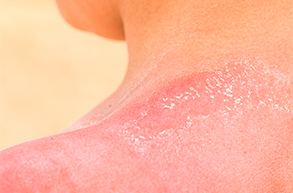
Some people are genetically prone to developing milia spots but they are most often caused by the use of skin care products and cosmetics that contain heavy oils, particularly mineral oil or lanolin, or from damage to the skin from rashes, blisters or burns, allergic reactions, or even sun damage.
How To Get Rid Of Milia
Milia don’t need to be treated, and they usually go away within a few weeks to months. But you may want to get rid of the bumps sooner for cosmetic reasons. Like any other skin abnormality, do not do any at-home picking and popping, as it can lead to inflammation, infections and scarring.
The only guaranteed way to get rid of milia is to see a dermatologist for an extraction.
Treatments for milia and ways to remove milia include:
Manual extraction by a dermatologist
The most effective treatment for milia is manual extraction done by a dermatologist. They make a tiny opening on the surface of the skin with asmall surgical blade. The hard plug of material is gently pushed out through the opening with the provider’s fingers or a tool.
It may sound painful, but it's not. At worst, you'll feel a little prick. The results of manual extraction for milia are immediate.
Over-the-counter (OTC) exfoliating skincare products
If you have just a few little bumps of milia here and there, you may want to try an over-the-counter (OTC) product first. They may include salicylic acid, glycolic, or an acne treatment.
These products help remove dead skin cells from the surface (exfoliate). You’ll need to use these milia removal products for the long haul to see continued results. Milia are stubborn and it can take months of treatment to see any improvement.
Topical prescription retinoids
Some people are just more likely to get milia. If that’s the cause for you, your dermatologist may recommend using a prescription topical retinoid.
Topical retinoids exfoliate the skin more effectively than OTC products. They also loosen the keratin plug in milia, which helps them come to the surface and go away.
Curettage, Cryotherapy, and Laser Ablation
There are also some less common ways dermatologists can try to treat milia. These techniques are more often used for other skin problems but might be used to try to treat milia if other options haven’t helped.
- Curettage is a kind of surgery that uses electricity to scrape off the skin. It’s mostly used to treat skin cancer, but some providers use it to treat stubborn milia.
- Cryotherapy is a treatment that uses very cold temperatures from liquid nitrogen to “freeze off” skin.
- Laser ablation/resurfacing uses small lasers to remove the outer areas of the skin.
How To Prevent Milia
Milia that appear on the skin spontaneously can't be prevented. There are a few things you can do to help speed up the healing process and prevent more milia from forming.
- Don’t touch your skin
Your first line of defense against milia is to leave it alone. Milia are different because of their hard keratin component. Without proper, sterile equipment, you can give yourself an infection by introducing germs into the area, or if you’re too aggressive, you can cause a permanent scar.
- Avoid Sun Exposure
In adults and adolescents, milia can form as a result of extensive sun exposure and sun damage. Be sure to properly apply at least an SPF 30 sunscreen to your skin 30 minutes before heading outside. Use a sunblock that’s non-greasy and has the word ‘non-comedogenic’ on the label.
- Use a gentle cleanser
A gentle cleanser will help loosen the roof of dead skin sitting atop the milia you already have and prevent new milia from forming.
- Start a Retinol
If you're looking for a product that does it all, get yourself a retinoid. Topical retinoids, whether prescription or OTC, are helpful for preventing small milia and also treating the bumps by softening the firm, small keratin plugs inside.
- Keep Your Skincare Light After Lasers
Skin-resurfacing procedures (microdermabrasion) are great for evening skin tone and smoothing skin texture, but milia could form as a result of these treatments. Avoid clogging your pores and causing milia after a treatment that leaves your skin vulnerable, you want to apply thin layers of lightweight moisturizer instead of packing on the thick, emollient creams.
- Apply a light moisturizer
Dry skin can be prone to irritation, redness, and other skin problems, but at the same time, too-oily skin can lead to more milia. A light moisturizer, ideally with an SFP factor, will help keep your skin hydrated and protected.
- Try a Peel for Prevention
Prevent milia from occurring and stop them from ever coming back by regularly exfoliating with a gentle chemical peel. Use an AHA (alpha-hydroxy acid), such as 20 percent glycolic acid, once a week.
- Gently Exfoliate
If you have sensitive skin, try lactic acid serum. Another AHA, lactic acid is known to be one of the gentlest (but still effective) chemical exfoliators, and it hydrates as it sheds away dead skin.
- Give yourself an at-home steam facial
Steam helps warm up the buildup of keratin, making it easier to exfoliate. The use of warm hydration can loosen up surface skin cells and help them slough away, opening up the milia.
What Not To Do With Milia
While milia in itself is not harmful, some at-home treatments can cause further skin issues. Here's what not to do if you have milia.
- Don't poke, pick or squeeze. Applying pressure or making cuts in the skin can cause infection or inflammation. While tempting, it's best to avoid any at-home manual techniques for extracting milia.
- Avoid using strong chemicals. Maybe creams may promise results, but not all deliver. Using strong chemicals on your skin can cause irritation and even allergies, so best check with your doctor first.
- Make sure you remember about sunscreen. The sun dries out your skin, which can cause further irritation. Apply sunblock that’s non-greasy and non-comedogenic.
Takeaway
Milia are tiny cysts that form under the skin, usually on the face. They are harmless cysts that form when old skin cells are trapped under the surface of the skin.
Milia may be associated with other health conditions, certain medications, and skin trauma, like burns, rashes, and dermabrasion.
Milia usually go away on their own after a few weeks.Some types of milia can last longer. Treatment isn't necessary but if milia bother you, there are some treatments you can try that include extraction done by a dermatologist, prescription retinoids, and exfoliating products.
Some at-home remedies should be used on a consistent basis if you want to see results, but these methods will take a bit of time and patience. Some remedies include gentle cleansing and exfoliation, using sunscreen every day, using retinol and applying a light moisturizer.
You can’t prevent most cases of milia but you can reduce your risk of developing certain types of milia that occur later in life by avoiding excessive exposure to the sun, limiting the use of thick facial creams/ointments, frequent exfoliating and cleansing of your skin.
More importantly, do not try to pop, squeeze, or scrape off milia. This could lead to bruising, scarring, or a skin infection. Talk to your dermatologist if milia become an issue.