Jojoba in Skincare: What Is It and How Does It Work?
Jojoba oil is one of the well-loved oils in skincare, and for good reason. In this article, we’ll discuss the benefits of jojoba oil and how it’s used in skincare.
What Is Jojoba Oil?
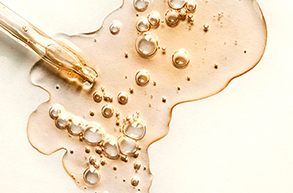
Jojoba oil is a natural oil produced from the seed of the Chinensis plant, which is a shrub native to southern Arizona, California, and Mexico. While jojoba is a relatively new ingredient in skincare, it’s actually been used for centuries. Native Americans used jojoba oil as far back as the 1400s for its wound healing properties.
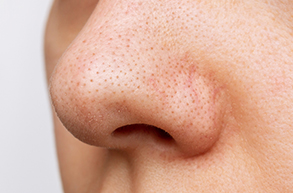
What’s most interesting about jojoba oil is that it’s technically not an oil. It’s a wax ester, which from a chemistry standpoint, has a different chemical makeup than other oils. Wax esters are the main component in sebum naturally produced by our skin. This means that jojoba oil mimics our natural sebum in conditioning and sealing moisture in the skin, without clogging pores or worsening acne. Jojoba oil is as close to your skin’s natural oil as you can get, which is why it can help balance out oil production and feels non-greasy.
The Benefits Of Jojoba Oil
Maintains skin hydration
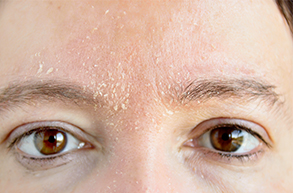
Jojoba oil is a great emollient and works to soften and smoothen the skin. When combined with other occlusive ingredients like beeswax, it can also help protect the skin barrier, reduce trans-epidermal water loss, and seal in moisture. As mentioned previously, because jojoba oil acts so similarly to our skin’s oil, it helps balance out sebum production levels and it is very useful for anyone dealing with either too much or too little natural oil.
Antioxidant properties
Jojoba oil is rich in vitamin E and flavonoids, which are powerful antioxidants that defend the skin against free radical damage. This helps protect the skin against signs of premature aging.
Anti-inflammatory properties
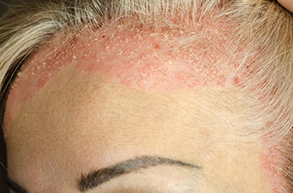
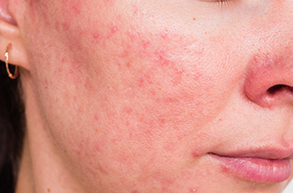
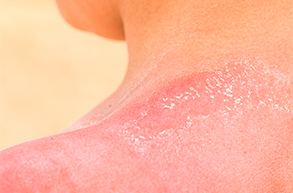
Jojoba oil is known to reduce redness and keep skin calm and comfortable. For this reason, it’s a great choice for those dealing with eczema, rosacea, or general sensitivities. In addition to the vitamin E found in jojoba oil, it also contains B-complex vitamins. This makes the oil useful for wound healing.
Acne treatment
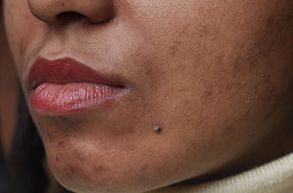
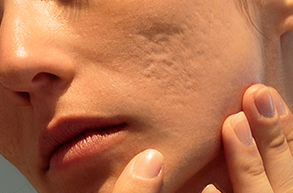
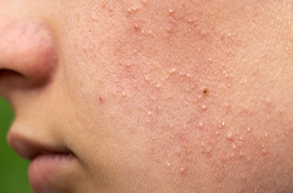
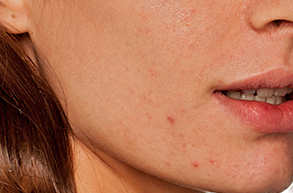
Jojoba oil is non-comedogenic, meaning it won’t clog pores. For this reason, it’s a great oil choice for acne-prone skin. It also has those anti-inflammatory properties we just talked about, which can help calm and soothe blemished skin. As mentioned previously, jojoba oil does an amazing job of balancing sebum production. This is especially beneficial for those with oily skin, as excess sebum is one of the main contributors to breakouts.
The Side Effects Of Jojoba Oil
Because jojoba oil is so similar to our natural skin, there are generally no negative effects to using it. Jojoba oil is very well-tolerated by all skin types with a low risk of irritation. In rare cases, it may cause a rash or reaction, however, that would point to an actual allergy and should be discussed with your doctor.
Takeaway
Jojoba oil is a powerhouse ingredient and can benefit any and all skin types. Whether you are oily, dry, sensitive, or suffer from skin conditions; jojoba oil can help. If you’re unsure about how to incorporate jojoba oil into your routine, make a health profile. One of our licensed Dermava estheticians will be happy to assist you!