Hydrating vs Moisturizing: What's The Difference?
Both moisturizers and hydrators ensure that the skin is adequately hydrated to combat dryness and dehydration, premature signs of aging, and environmental damage. The difference, however, lies primarily in how they achieve these results.
Keep reading to learn the difference between hydrating and moisturizing, the effects they have on your skin, and what ingredients to look out for.
What Is Hydration?
Hydration is the absorption of moisture from the air and then infusing your cells with water to improve your skin’s ability to absorb moisture and nutrients.
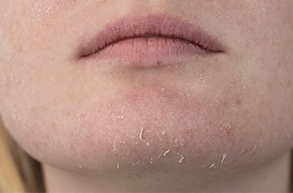
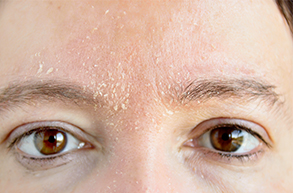
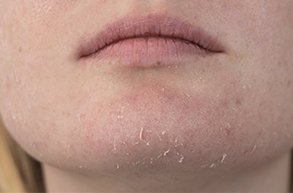
Hydration makes our skin feel soft, but it won’t stay soft if there is no oil to protect that hydration from escaping. If hydration escapes, skin ends up dry and flaky, and tight. Not drinking enough water, excessive caffeine or alcohol consumption, unhealthy food habits and pollution can dehydrate your skin.
The best way to hydrate the skin, use ingredients such as:
- Hyaluronic Acid
- Aloe Vera
- Marine extracts
- Glycerin
- Honey
- Alpha-hydroxy acids (AHAs)
- Urea
- Propylene glycol
What Is Moisturization?
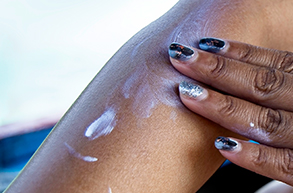
Moisturizing is about trapping and locking in the moisture to build your skin’s natural protective barrier. This will prevent any water loss and ensure that your skin remains soft and smooth. You need moisture when you have genetically dry skin.
Unlike hydrators, they don’t penetrate deep into the skin, nor do they supply the skin with water. Instead, moisturizers stay on the surface of the skin, blocking the water from escaping, keeping your skin hydrated, soft and smooth.
The best way to moisturize the skin, use ingredients such as:
- Ceramides
- Shea butter
- Cocoa butter
- Oils (jojoba oil, rosehip seed oil, almond oil)
- Dimethicone
So, Should You Hydrate or Moisturize?
If you’re wondering which one you should prioritize, the answer is easy: make it a goal to achieve both.
If your skin still feels like it's missing something, here's how to tell if you need to boost your hydration, moisturization or the two together.
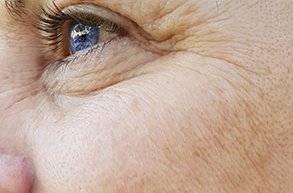
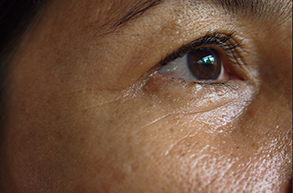
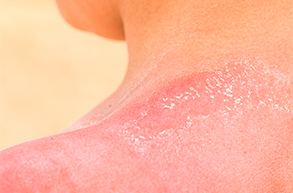
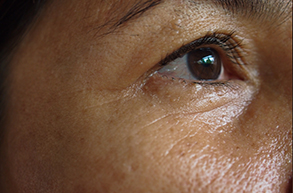
Is your skin dehydrated? If your skin feels irritated, it’s craving hydration. Dehydrated skin looks dry, dull and has fine lines and wrinkles. It feels tight and stretched, patchy and prone to itching.
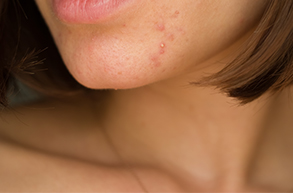
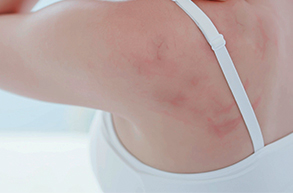
Does your skin need moisture? If your skin feels rough and flaky, you might need to be a little more liberal with the moisturizer.
Are you dehydrated and lacking moisture? If all of those symptoms sound familiar, your skin is extremely thirsty. To find your natural, healthy glow, step up both your hydration and moisturization efforts.
How Do You Incorporate These Into Your Skincare Routine?
With a few basics steps, you can create a skincare routine that isn't complicated and leaves you with healthy glowing skin.
1. Cleanse: For an extra boost of hydration, try a cleanser that contains a hydrator.
2. Exfoliate: You only need to use an exfoliator 1-3 times a week depending on your skin.
3. Tone: Use a toner that doesn’t strip skin of oils
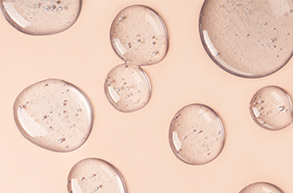
4. Hydrate: Apply 1 - 2 drops of serum on clean, warmed skin, as this enables the active ingredients to penetrate more effectively.
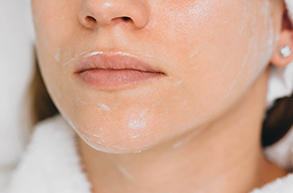
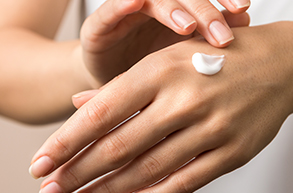
5. Moisturize: Gently massage moisturizer to the face after the serum has been applied; allowing time for the serum to be fully absorbed.
6. Sunscreen: Don’t forget to use SPF during the day.
Takeaway
Simply put, hydration equals water, and moisture equals oil. If your skin is dehydrated, it is lacking water and if your skin is dry, it is lacking oil. Hydrating vs moisturizing comes down to this: hydrators supply your skin with water, moisturizers make sure it stays there.
So, final verdict, when it comes to keeping your skin hydrated, which is better: hydrator or moisturizer? The answer is both.
Make sure to incorporate both hydrators and moisturizers in your morning and nighttime skincare routines. This allows you to reap the most benefits of these skincare powerhouses, regardless of the season.
Ideally, you hydrate a little, moisturize a little and should be good to go. But everyone's skin is unique, so finding the correct balance between both is important.
If you want more information on which hydrating and moisturizing ingredients are best for your skin, consult with one of our estheticians and they will walk you through the best regimen for your unique needs at Dermava.com