How To Use A Physical Exfoliator
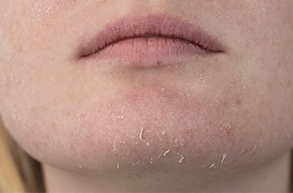
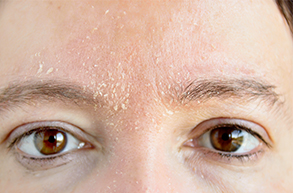
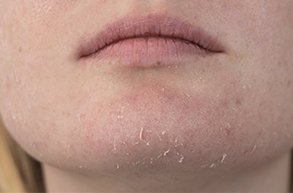
We all know that exfoliation is an essential step in our skincare routines for a smooth and glowing complexion. Your skin is constantly growing and shedding dead skin cells.
That's why exfoliating twice or three times a week is essential to get rid of these dead skin cells that would otherwise clog pores, make your skin duller, or even cause acne.
Moreover, regular exfoliation allows other skincare products, such as serums and moisturizers to penetrate more easily into your skin.
Physical exfoliation is a method which manually removes skin cells and other debris from the surface of your skin.
This includes simple tools such as washcloths, gloves, sponges, and brushes, and also products such as scrubs which contain exfoliating particles. Microdermabrasion and dermaplaning are methods of physical exfoliation available from your esthetician or dermatologist.
In this article, we will discuss how physical exfoliation works and the tools and how to use them.
How Does Physical Exfoliator Work
Physical exfoliation, also known as Mechanical exfoliation, works by physically removing dead skin rather than dissolving it. It’s less gentle than chemical exfoliation and works best for normal to oily skin. Avoid using physical exfoliation on sensitive or dry skin.
What Tools To Use
Physical or mechanical exfoliation involves using a skincare tool to dislodge and remove dead cells. Use these tools gently on your skin.
- Exfoliating brush.This is usually a bristle brush used on the face or body to remove layers of dead skin cells. Some are designed for dry brushing. Use a small brush with natural bristles and gently brush damp skin in small circles for up to 30 seconds. You should only use this method on skin that’s free of any small cuts or irritation. Other brush can be used with your facial cleanser or body wash.
- Exfoliation sponge.These are a gentler way to exfoliate skin. You can lather an exfoliating sponge with warm water, soap, or body wash in the shower.
- Exfoliating glove.If you find brushes or sponges difficult to grip, you can use a glove. Lather it with soap or body wash in the shower. They can be effective for large areas such as legs or arms.
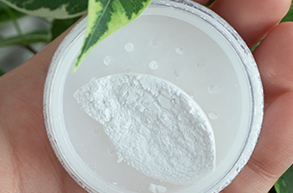
- Exfoliating powders. Exfoliating powders, use fine particles to both absorb oil and remove dead skin. To use it, mix the powder with some water until it forms a paste that you can spread on your face. For stronger results, use less water to create a thicker paste.
- Exfoliating washcloth. If you’re one of the lucky few with normal skin, you may be able to exfoliate just by drying your face with a washcloth. After washing your face, gently move a soft washcloth in small circles to remove dead skin cells and dry your face.
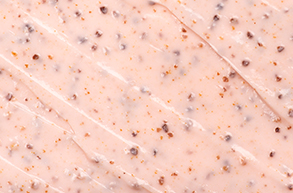
- Exfoliating scrub.This can be applied directly to the skin using a gentle, circular motion. You can wash your skin with warm water after applying the scrub.
Regardless of your skin type, some exfoliators should be used with caution. They may contain irritating or coarse particles, which can injure your skin.
When it comes to exfoliation, not all products are created equal. Many scrubs that have exfoliants in them are too harsh for your skin. These include:
- sugar
- micro beads
- nut shells
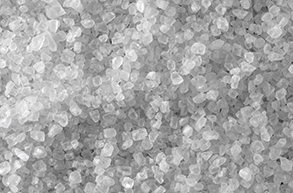
- coarse salt
- baking soda
How to Properly Exfoliate Your Face
Follow these steps to exfoliate your face:
- Start by washing your face. Wash your face as you usually would using warm water and a facial cleanser.
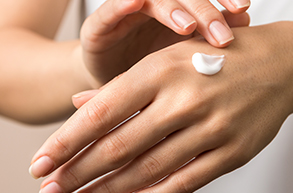
- Ready your face scrub. Squeeze a small amount of your exfoliating scrub or natural exfoliant into the palm of your hand; the amount should only be about the size of a quarter.
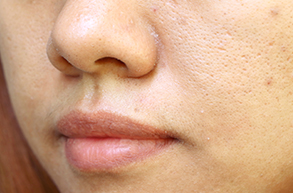
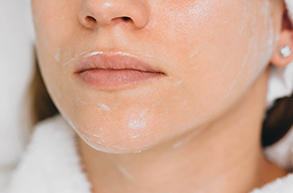
- Massage your scrub in circular motions. Gently apply the scrub to your face and move it around in circular motions so the granules reach your nose, forehead, jaw, and area around your eyes, removing dead cells from your skin’s surface. Do this for 30 seconds to loosen any blackheads or sebum plugs and freshen your skin’s top layer. If you’re using a brush or washcloth, apply your usual cleanser and gently run it over your face.
- Rinse. Rinse your face with warm water after exfoliating. Cup the water in your hands and gently splash your face.
- Pat dry. Use a clean towel and pat your face dry. After exfoliating, you’ll find your face feels extra bright and smooth.
- Follow up with other skincare products. You can follow up exfoliation with sunscreen with a low SPF, a face mask, or moisturizer for smooth skin.
When Should You Exfoliate Your Face
In general, regular exfoliation should happen after you wash your face and before bedtime, giving your skin a rest and allowing sleep to rejuvenate your skin. You can use physical exfoliants 2 to 3 times a week.
Over-exfoliating can lead to a thinner skin barrier and dryness by stripping your skin of natural oils.
Important Safety Tips
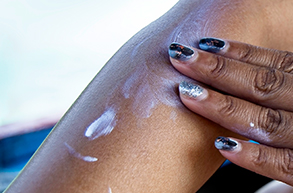
Exfoliation usually leaves you with smoother, softer skin. To maintain these results, make sure you follow up with a good moisturizer that’s best for your skin type.
If you have dry skin, opt for a cream moisturizer, which is richer than a lotion one. If you have combination or oily skin, look for a light, oil-free lotion or gel-based moisturizer.
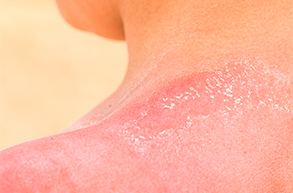
While you probably already know about the importance of wearing sunscreen, it’s even more important if you’ve been exfoliating. Physical exfoliation removes a full layer of skin from your face. The newly exposed skin is very sensitive to sunlight and much more likely to burn.
In addition, you should be extra cautious with exfoliation if you have:
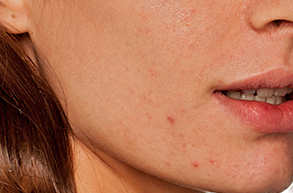
- an active acne breakout
- an underlying condition that causes lesions on your face, such as herpes simplex
- rosacea
- warts
Finally, before trying any new product on your skin, do a small patch test first. Apply a little bit of the new product to a small area of your body, like the inside of your arm.
Follow the manufacturer’s instructions for application and removal. If you don’t notice any signs of irritation after 24 hours, you can try using it on your face.
Takeaway
Exfoliation is effective in removing dead skin from your face. This will leave you with smoother, softer skin. If you wear makeup, also notice that exfoliation helps it to go on more evenly.
Just make sure you start slow to determine which products and types of exfoliants your skin can handle, and always follow up with moisturizer and sunscreen. Nothing feels more satisfying than that baby-soft, smooth texture which might make you want to exfoliate more.
Consult with one of our licensed estheticians to help finding the right products for your skin. You can create an account or update your profile at Dermava.com.