How To Use A Chemical Exfoliator
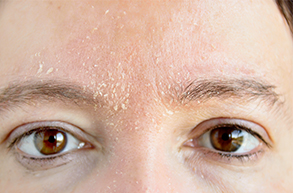
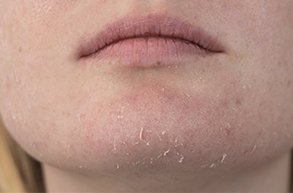
Chemical exfoliation basically deals with the skin cells. Our skin cells have a natural cycle all over the body and typically regenerate every month approximately. But environmental factors like lifestyle, stress, exercise, sun exposure, and aging can slow the process down.
That's why we have exfoliation as a remedy for this. It’s a simple and quick way of removing the dead skin cells and this can really help in improving your complexion, glow, brightening the face and fading other scars and blemishes or sunspots that may be there on your face.
The key ingredients for chemical exfoliants are Alpha Hydroxy Acids (glycolic, lactic, citric and mandelic acids), Beta Hydroxy Acids (salicylic acid) or gentle enzymes such as those derived from fruits like papaya.
Read on to learn more about how to use a chemical exfoliation as part of your skincare routine.
How To Exfoliate Your Face
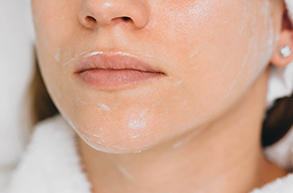
- Start by cleansing your complexion with a face wash, then fully dry skin using a towel.
- Apply the chemical exfoliant per the package instructions, avoiding the eye area; leave on for as long as directed (do not massage).
- Keep it for 10 minutes or 5 minutes if first time. It will burn or tingle but if it burns too much wash it off immediately.
- Wash it off with cold water (don’t use hot water) or leave on skin according to the product instructions.
5: Apply some hydrating and soothing toner and follow up with a moisturizer (do not use retinoid).
- Repeat this once or twice every week depending on the percentage of the peel and how your skin takes it.
Always do a patch test on your forearm. Pat it dry, then wait 12 hours and check if it has any negative reaction. If there is no negative reaction, you're ready to continue.
How To Choose A Chemical Exfoliator
Always look for a formula that is suitable for your skin type. Most at-home chemical exfoliators are developed with a certain skin type in mind. If you are confused about which is the right exfoliant for your skin type, the below guide will help you out.
Oily/ Acne-Prone Skin
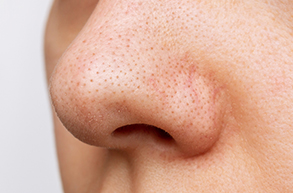
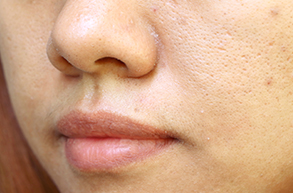
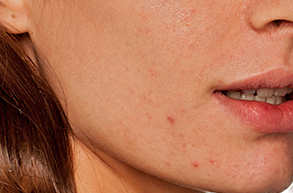
People with oily skin continuously struggle with overproduction of oil which leads to clogged pores. This causes blackheads, whiteheads, and acne. Salicylic acid has to be the best chemical exfoliator for oily skin types.
Dry Skin
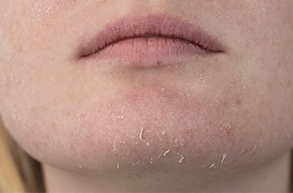
People with dry skin can benefit from chemical exfoliants that provide proper hydration and brightens dull skin. If you have dry skin, opt for either Glycolic acid or Lactic acid. Both target dryness, pigmentation, dark spots and aging.
Sensitive skin
Sensitive skin has great trouble in finding the perfect chemical exfoliator that won’t irritate their skin. Look for malic acid or PHA (Polyhydroxy acid) as they have larger molecules that don’t penetrate too deep inside. These are found to cause minimal to no skin irritation.
Normal/Combination Skin
Normal/combination skin types can try any exfoliant based on their skin concerns. You can opt for glycolic acid, hyaluronic acid or salicylic acid depending on how your skin is feeling.
Mature Skin
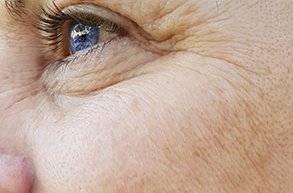
Glycolic acid has a smaller molecular bond compared to other AHAs. This structure allows it to penetrate the skin deeper, which can help even out texture. While glycolic acid is safe to use for darker skin tones, if overused, it can cause damage. You may choose to stick to gentler options, such as mandelic acid, which may improve skin firmness and elasticity.
What to Do After Exfoliating
Exfoliating doesn’t begin and end with scrubbing away the dead skin cells on our face. To keep your skin looking and feeling healthy, proper post-exfoliating care is important. Below are a few ways that you can maximize the benefits of your post-exfoliation routine.
Apply a moisturizer
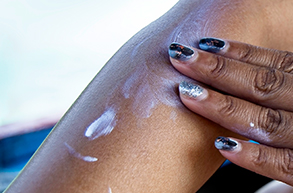
Exfoliation won’t totally deplete your skin of moisture, but repeatedly exfoliating the skin without following up with a good moisturizer can leave your skin parched and overly-sensitive. Glycerin is a great choice, because it keeps moisture locked deep in thelower layers of skin.
Apply an ultra-protective sunscreen
It is particularly important that you apply sunscreen after exfoliating, when skin is particularly vulnerable and raw. Sun-protective moisturizers offer some protection, but it is best to use an actual sunscreen in accompaniment with your moisturizer.
It is best to use a broad-spectrum sunscreen that protects against both UVA and UVB rays. Those with freshly exfoliated skin may wish to use a high SPF broad-spectrum sunscreen, in order to minimize the chances of irritation and damage.
Let the skin relax
After exfoliating, the skin is going to be at a more sensitive state than usual. This is why it’s important to give it time to recover, by allowing it to calm and repair itself. Products that contain acids like AHA and BHA, or even vitamin C, can work to worsen the irritation the skin is already feeling by adding another step that strips the skin’s outermost layer.
Common Mistakes To Avoid
While exfoliating is fully encouraged, always proceed with caution. Below are common mistakes to avoid when exfoliating.
Not exfoliating enough
Skipping exfoliation will lead to a buildup of dead skin cells, which can lead to clogged pores, blackheads, and breakouts.
Over exfoliating or exfoliating everyday
The amount you should exfoliate will vary depending on your skin type. If you have sensitive skin, limit exfoliation to once or twice a week. If you have normal or dry skin, exfoliate 2 to 3 times per week, and up to 3 to 4 times a week for oily and acne-prone skin.
Exfoliating irritated skin
You can do more harm than good. Also, keep in mind that waxing is a form of exfoliation.
Using too many exfoliating products in your routine
While regular exfoliation is essential, you also need to be careful not to use too many exfoliating products in your daily or weekly skincare routine.
If you’re using a cleanser, toner, or serum that also contains exfoliating ingredients like AHAs or BHAs, or if you’re using retinol, you don’t need to use a standalone exfoliator as often and can scale back your exfoliating regimen.
Not hydrating post-exfoliation
Some exfoliators can also sap oils from your skin, that is why it’s important to hydrate after exfoliating to help maintain a healthy skin barrier.
Exfoliating before going into the sun
Exfoliate at least one day or two before going into the sun, and as always, use a standalone sunscreen with a minimum of SPF 30 and a 5-star UVA rating.
Exfoliating when your skin is damaged
The best way to ensure your skin restores its skin barrier is to lay off on any exfoliants and avoid using them until all signs of irritation have disappeared.
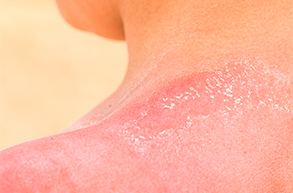
Exfoliating when you have open wounds, burns, or recently waxed skin
You may introduce certain bacteria or irritants into your wound when you exfoliate, so it’s best to use products that cleanse and soothe your wound instead of exfoliating it.
Wait at least 24-72 hours before exfoliating your waxed skin to not further irritate your skin.
Takeaway
Chemical exfoliators can leave your skin looking and feeling smooth, moisturized, and supple. Rather than slough off dead skin cells the way physical exfoliators do, acids do all the work without the scrubbing.
After exfoliating, you should always hydrate the surface to avoid painful irritations and dryness. Apply a broad-spectrum, high SPF sunscreen that can protect against UV-induced damage. Let your skin relax to ensure that it is protected and ready before adding another treatment.
We should avoid common mistakes to get the full benefits of chemical exfoliation and to avoid skin irritation, dryness, and damage. Frequency of exfoliating will depend on your skin type. Never exfoliate if you have damaged or broken skin and limit using too many exfoliating products in your routine.
The exfoliation process that best suits you will depend on your individual skin type. Be sure to consult with one of our estheticians to help you understand your skin and which products are best suited for you. You can create an account or update your profile at Dermava.com.