How To Treat Stretch Marks
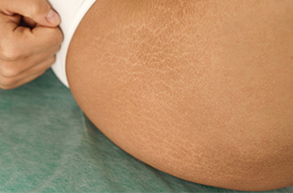
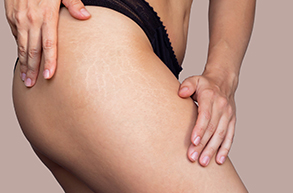
Stretch marks can appear anywhere on the body that has seen rapid growth. They are most commonly seen on the stomach, breasts, upper arms, thighs, and buttocks.
When they first appear, stretch marks tend to be red, purple, pink, or brown. They can even be itchy or feel slightly raised. Over time, the color of the stretch marks will fade to white or silver and narrow bands will sink beneath the skin. In fact, a slight depression can often be felt over a mature stretch mark.
Common causes of stretch marks are during growth spurts, rapid weight loss, after gaining muscle mass and pregnancy, among others.
Stretch marks do not go away without effort, especially without regular treatments that help soften and fade those lines. If you’ve been looking for something to make them more manageable, keep reading.
Stretch Mark Treatments
In general, treating stretch marks is difficult. Treatment improves the appearance of stretch marks, but they may not go away completely. Addressing your stretch marks when they first appear yields the best results. Older, deep stretch marks may be more challenging to treat.
Treatment options include:
Natural remedies for stretch marks
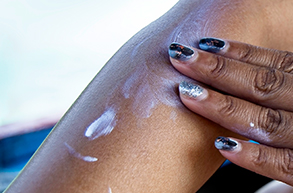
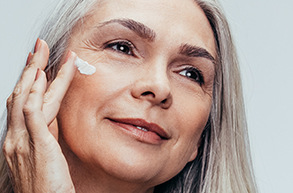
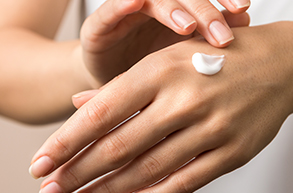
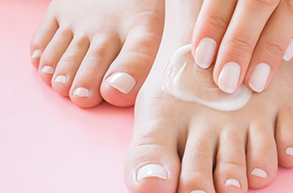
If you decide to try a cream, lotion, or gel to fade your stretch marks, be sure to use it every day for several weeks. Take the time to massage it into your skin. These products may work best on newer stretch marks.
- Vitamin A
Vitamin A in skin care products is referred to as a retinoid. Retinoids can make skin appear smoother and more youthful. They’re used in many over-the-counter (OTC) topical cosmetic creams. It may help stretch marks appear smaller and less severe.
Because there are known risks to using retinoids during pregnancy, you should not use them if you are pregnant, lactating, or trying to become pregnant
- Hyaluronic acid
Hyaluronic acid is a powerful ingredient for moisturizing and skin healing. The visible appearance of stretch marks comes along with invisible changes to your skin. These changes make skin less elastic, in part because collagen isn’t doing its usual job of strengthening the skin.
- Centella
Centella asiatica is an herb that’s a popular ingredient in Korean beauty products. Known as cica creams, products containing centella are sometimes used as scar treatments or to help calm and repair sensitive skin.
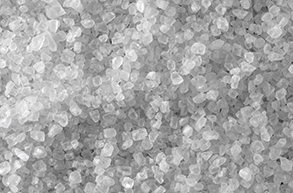
- Sugar
Sugar is a popular exfoliator. The small crystals gently scrub away dead skin and leave you feeling smoother.
- Aloe vera
Aloe vera helps skin heal from burns and wounds. Because stretch marks are a type of scarring from damaged skin, aloe’s skin-repairing properties might help with stretch mark prevention or fading.
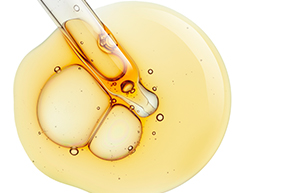
- Coconut oil
It improves dry skin and some skin infections. A gentle daily massage of your stretch marks with coconut oil might help, and it’s not likely to cause harm.
Medical treatments for stretch marks
Medical procedures for stretch marks are delivered in-office by trained professionals. You will likely be treated by a doctor — a dermatologist, cosmetic surgeon, or plastic surgeon — or a licensed professional, depending on what state you’re located in, the procedure, and the possible risks.
- Laser skin resurfacing
It involves direct short, concentrated, pulsating beams of light on your stretch marks. The laser removes layers of your skin very precisely, which stimulates the growth of new collagen fibers to create smoother skin.
- Dermabrasion
A professional applies an abrasive substance to your skin to gently scrub away dead skin cells. It involves a specialized instrument to scrape away your stretch marks. The process improves your skin contour and results in smooth new skin.
- Microneedling
During microneedling, your healthcare provider pokes your skin with thin needles. The tiny punctures stimulate the growth of new collagen and elastin fibers to create firmer skin. Most people require between three and six treatments to see results.
- Excimer laser therapy
This stimulates skin color (melanin) production so that stretch marks match the surrounding skin more closely.
- Pulsed dye laser therapy
This treatment encourages the growth of collagen and elastin. This therapy typically works best on newer stretch marks. It may cause some skin discoloration if you have a darker skin tone.
- Fractional photothermolysis
This uses a laser to target small areas of your skin. It works similarly to pulsed dye laser therapy, with less potential for skin damage.
- Chemical peel
Is an acidic solution that burns off the top layers of your skin to remove dead and damaged cells and boost new skin growth. This treatment may improve your stretch marks a little, but won’t completely get rid of them.
- Radiofrequency therapy
Radiofrequency treatments send energy waves into your skin that stimulate collagen production. The result can be firmer skin.
Recently, radiofrequency treatments have been combined with microneedling treatments in order to send the energy waves even deeper into the skin. The needle penetrates the skin and releases radiofrequency into the channels, stimulating deeper layers of collagen.
- Chemical peel
Chemical peels involve the application of an acid, such as glycolic acid, to the skin’s surface. Professional chemical peels are more powerful than at-home versions and are applied in-office.
Peels provide a deep exfoliation of the skin and promote collagen production. This may help make stretch marks look smaller.
4 Tips to Help Prevent Stretch Marks
- Control your weight
One of the most helpful things you can do to prevent stretch marks is to maintain a healthy weight. Stretch marks can happen when your skin pulls apart quickly due to rapid weight gain and after rapid weight loss.
- Stay hydrated
Drinking enough water may help keep your skin hydrated and soft. Soft skin doesn’t tend to develop stretch marks as much as dry skin does.
- Eat a nutrient-rich diet
Stretch marks may also occur if you lack nutrition in certain areas. Eating foods that boost skin health may help. Make sure your diet includes foods rich in:
- vitamin C
- vitamin D
- vitamin E
- zinc
- protein
- Treat fresh stretch marks when they appear
If you can’t totally prevent stretch marks on your skin, you can work to minimize their appearance so they aren’t as noticeable in the long run. Make an appointment with your doctor or a dermatologist to discuss your options if you have fresh stretch marks.
Takeaway
Stretch marks are common in puberty, pregnancy, weight gain, and weight loss. The good news is they rarely cause medical problems and are generally a cosmetic concern.
Stretch marks often fade to become less noticeable with time. Preventing them can be difficult.
Keeping your weight in check, staying hydrated, eating a healthy diet, and seeking treatment soon after the marks appear may help.
There are treatments that can help improve their appearance. In-office procedures like laser therapy, microneedling, and dermabrasion, while generally considered safe, do come with more risk than topical treatments.
Topical treatments such as retinoids, aloe vera, or coconut oil are available both over-the-counter and as a prescription medication. Just keep in mind that no treatment can make stretch marks disappear completely.
If you’re concerned about existing stretch marks or the possibility of getting them, it’s best to talk to a dermatologist or your primary care doctor.