How to Treat Calluses
If you have ever experienced a weird thick patch of skin on your hands or have noticed the bottoms of your feet are rough in texture, it's possible you are dealing with a callus. Don’t worry they are not scary and most people will have dealt with calluses before. They can be easily \
prevented and softened at home or by a dermatologist.
What Are Calluses?
A callus is a hyperkeratotic lesion (patch of thickened skin) made of dead skin cells that form in an effort to protect the skin from repeated injury due to friction and pressure. They are rough and dry in texture and harder than the skin that surrounds them. Calluses can vary in size, shape, and normally form in bony areas like the hands and feet and while they are not known to be painful they can be a bit tender and can sometimes look flaky or waxy.
So in other words it’s like a shield of mummified skin cells protecting the healthy and uninjured skin cells from the same injury that hardened them… isn’t the skin weirdly fascinating!
Activities that cause calluses include but are not limited to:
- Weight lifting
- Sports
- Playing a musical instrument
- Poorly fitting shoes
- Poorly fitting/not wearing socks
- Using hand tools
- Genetics
- Anything that causes repeated pressure and friction to one area of skin
Who Should Not Treat Calluses At Home
According to the Mayo Clinic, those with diabetes or poor blood flow should talk to their doctor before trying anything at home to avoid infections from an open sore.
How To Treat Calluses At Home
Method 1: Stop doing whatever is causing the calluses
While it might not seem like the most practical method it can be really helpful, remember the socks? If you are wearing boots, tennis shoes or tight shoes without socks, First, can we take a moment as your friend and let you know your feet probably don’t smell the best, and that’s okay because socks can help with that while protecting your feet from developing calluses. Along with socks the mayo clinic also recommends shopping for shoes with plenty of room for your feet. If you can’t wiggle your toes then your feet won’t have room in the shoes for the end of the day when they are swollen.
Method 2: Use protective coverings
In addition to the correct footwear the Mayo clinic also recommends using protective coverings as a preventive measure such as non medicated corn pads or bandages over the spot that a callus could or has formed.
Method 3: Use padded gloves
This one works best for those who lift weights or use hand tools on a daily basis. A padded glove can provide some comfort to the skin as well as minimize the amount of friction your skin will experience. If you don’t have access to gloves it is also suggested to pad the handles of your tools with cloth or tape covers.
Method 4: Moisturize
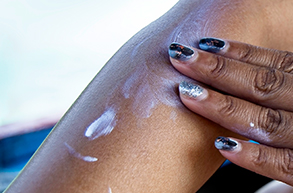
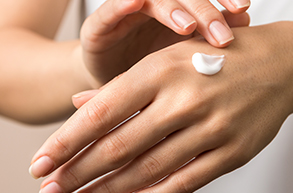
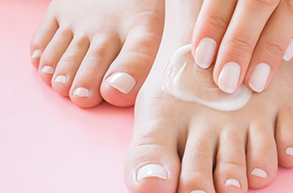
Keeping the skin soft and smooth with a moisturizer can be helpful in softening the callus and prevent the callus from drying out. You can use a lotion or a thick cream several times a day to keep the area smooth and to help soften the callus over time.
Method 5: Exfoliate
*Do not do this method if you have diabetes or poor blood flow/circulation*
If a callus has already formed you can use either a physical or chemical exfoliant to soften the skin. For a chemical exfoliant we recommend glycolic or salicylic acid and if you were wanting to use a physical exfoliant, like a pumice stone it’s best you soak your skin in a nourishing bath for 10 - 15 minutes before gently using the pumice stone on the bottom of your feet. The callus won’t go away in one use so to get the best results with this method we recommend also using a preventive method along with this one.
In Office Treatments For Calluses
While an esthetician would be happy to provide you with the proper at home products to help you with any calluses treating areas like the hands and feet may not be possible depending on what state you are in. Any in office treatments for calluses, like the ones listed below should only be performed by a dermatologist. Depending on your history and any symptom/ sensations associated with your callus your doctor may:
Trim away any excess skin or other in office procedures
Do not do this at home! Put down whatever sharp instruments you are holding and call your dermatologist for an appointment today.
Medicated patches
Your doctor may use a higher percentage of salicylic acid than accessible over the counter.
Shoe inserts
The mayo clinic writes, “If you have an underlying foot deformity, your health care provider may prescribe custom-made padded shoe inserts (orthotics) to prevent recurring corns or calluses.”
What To Expect When Treating Calluses
The timeline for treating calluses can vary depending on what method you choose. It could be 1-2 weeks or if the callus is severe enough your doctor may be able to take care of it in one or a couple of visits. The most important part is once it is gone to keep the area moisturized and to prevent any friction and pressure to one area of the skin.
When To Make An Appointment
If you experience any inflammation, pain or have diabetes it’s best to see a doctor to determine your next steps in treating a callus.
There is softer skin in your future as long as you remember to minimize the amount of friction and pressure your skin is exposed to, keep your skin exfoliated and moisturized and to pop in for a visit with your dermatologist if things still seem a bit too rough or if you have diabetes.
If you are looking for something to help exfoliate and moisturize your skin, create or update your Dermava profile with questions for an esthetician.
Dermava blogs are for educational and entertainment purposes only, they are not to replace advice and/or consultation given by medical or credited skin care professionals.