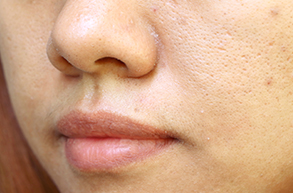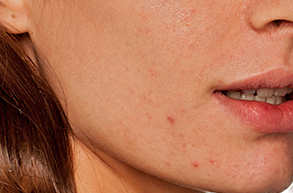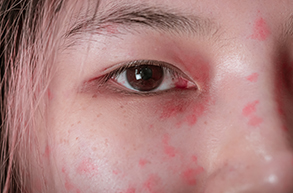
Acne at first glance can seem very complicated and overwhelming.
However once you break it down and understand what acne is and what treatments are needed clear skin becomes a reality and not a dream.
Let’s take a look together at what acne is, what products reduce breakouts and how to keep your skin blemish free together.
What is Acne?
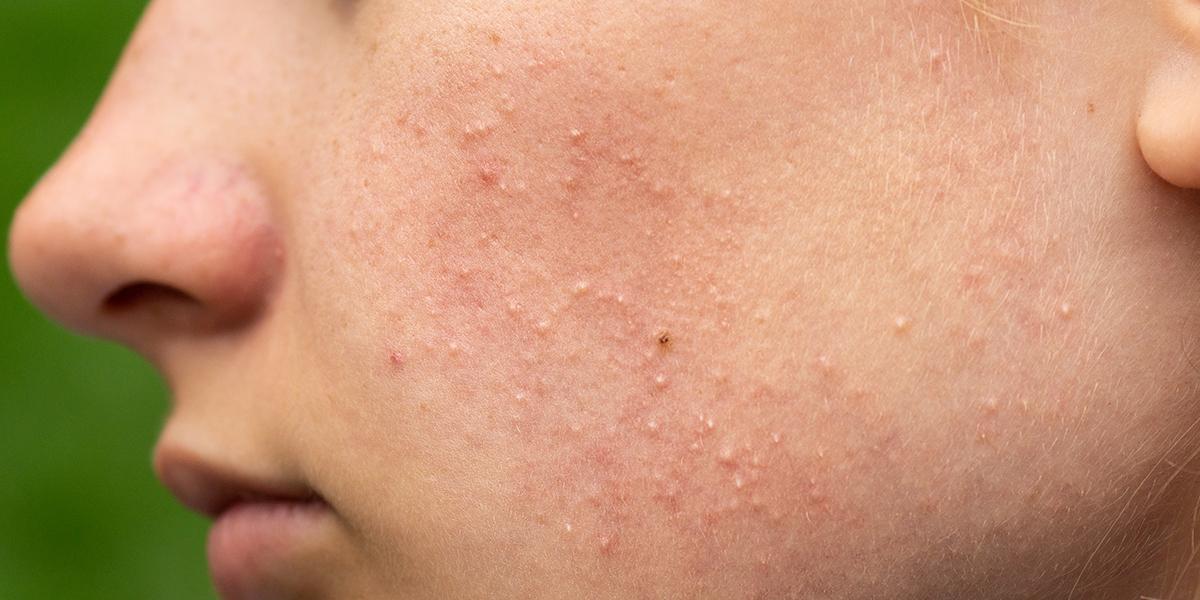
Acne is a fairly common skin condition that nearly everyone has dealt with to some degree in their life.
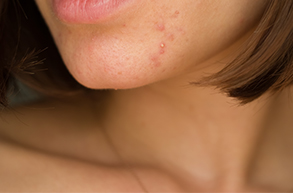
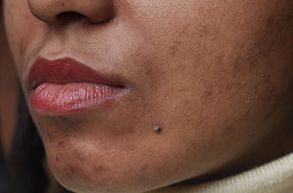
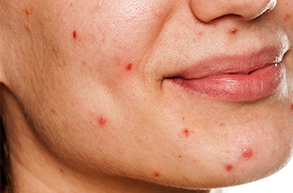
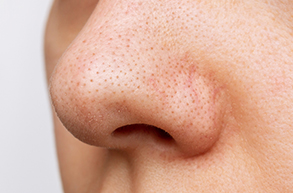
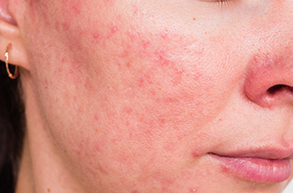
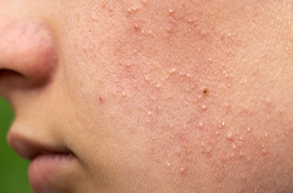
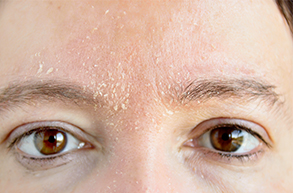
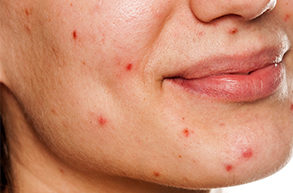
Acne is a common skin condition that causes pores to become clogged by sebum, hair, bacteria, and dead skin cells.
There’s a nearly endless list of things that can trigger breakouts and they can take several forms; you may even be dealing with multiple types of acne at once.
To learn more about the causes and different types of acne, check out Acne: Its Causes & What to Look Out For.
How To Treat Acne At Home
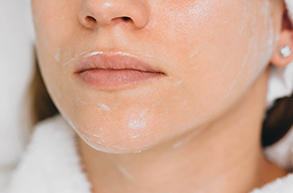
Step 1: Use an exfoliating cleanser
Using an exfoliating cleanser can help regulate oil production and remove dead skin cells and impurities that find their way into the pores.
A cleanser containing 2% salicylic acid is best but if you are unable to use salicylic acid there are more options to choose from such as glycolic, and benzoyl peroxide.
Step 2: Use a hydrating toner
Toners are great to enhance every routine and with so many out there it’s a great part of the routine to play around with.
Since most acne treatments and routines tend to be drying, using a hydrating toner is great for counteracting some of those side effects.
Just look for some that say non-comedogenic if you are unsure what toner to use.
Step 3: Spot treatment/ serum
The key to correcting acneic skin is using a formula that doesn't require rinsing and can be left on throughout the day or overnight.
Treating your skin with serums allow the ingredients in the product to continue working over a long period of time.
Using active acids like glycolic, azelaic, salicylic, and retinoids help kill acne bacteria, control oil production or thin out the overproduction of dead skin cells, making it easier to treat your skin.
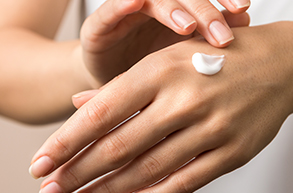
Step 4: Use an oil-free moisturizer
Even when you have oily or acneic skin you must moisturize.
Moisturizers help build a barrier for our skin and keep essential moisture inside.
Most moisturizers contain oils and are not exactly acne friendly so we recommend using a water based, oil free moisturizer.
Step 5: Use a sunscreen
Sunscreens are something you don't want to skip over regardless of what skin condition you're treating, especially acne!
The ingredients we’ve suggested for use cause your skin to become sensitive to sun exposure.
Our skin care professionals recommend for those who are treating acne to use a high level of spf to ensure the safety of your skin.
A mattifying spf between 40 and 50 will control excess oil production while protecting you from harmful environmental factors.
Treatments To Look For When Dealing With Acne
Acne facials
Acne facials are done by an esthetician by using different tools, like high frequency, and professional products with an ingredient profile best suited for acne clients.
These are also where you can get extractions done as we do not ever recommend trying to extract your skin at home.
Doing so can spread more acne bacteria resulting in more acne lesions or you can cause scarring to the skin.
Chemical peels
Chemical peels are a classic in office treatment that can be done by a licensed esthetician or a board certified dermatologist.
A chemical peel is going to remove the top layer of dead skin cells to reveal the young, bright and healthy skin underneath.
There are chemical peels with ingredient profiles best suited for clearing and maintaining acneic skin, so ask your skin care professional what peel is best for you.
Microdermabrasion
Microdermabrasion uses a manual exfoliation tool to remove the uneven layer of dead skin cells from the surface of the skin.
These treatments are usually performed in house by an esthetician.
While tools that function similarly exist on the market it is recommended to avoid those so you don’t worsen your acne lesions, causing scarring or irritation from being too aggressive with the device.
What To Expect When Treating Acne
When using actives targeting acne, it can take 4-6 weeks to start seeing visible changes in the skin and 6 months to a year to see completely clear skin.
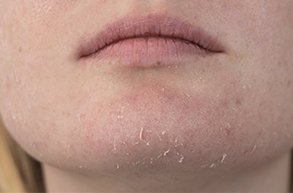
There also can be some dryness associated with acne treatments so products like the hydrating toner or mist can help relieve any dry,or tight feeling in the skin.
You can also expect to see more acne breakouts if you stop a routine that has cleared your skin.
When To Make An Appointment For Acne
When you have been constantly using products that target acne for a few months with no visible improvements, or if you have cystic breakouts it’s best to see your dermatologist to go over your next steps.
Clear and smooth skin is possible with the right routine and treatments. Remember to give your products time to work, don’t touch your face and keep up your routine after your acne has cleared away to prevent breakouts from coming back.
For help building your acne routine or if you have questions for an esthetician, please create or update your Dermava profile.