How To Treat Acne Scars With 7 Steps
If you’ve experienced acne, you know that clearing breakouts are only half the battle. Some blemishes leave scars and pigmentation on your skin long after you treat the issue. This is a common issue among those with acne-prone skin, but there are steps you can employ to get your complexion balanced.
Keep reading to find out the best steps to tackle acne scars at home and when you should see a skincare specialist.
What are acne scars?
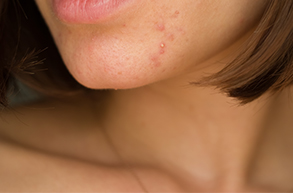
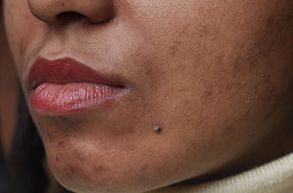
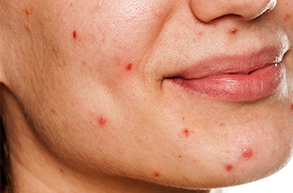
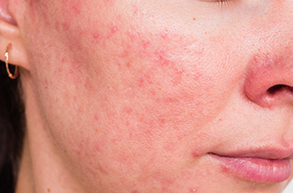
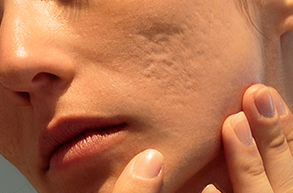
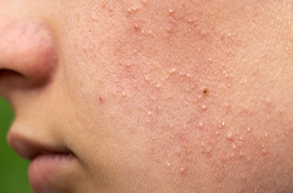
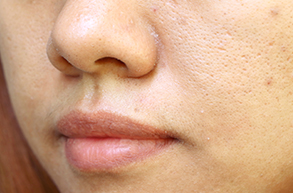
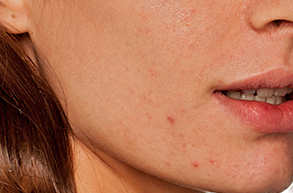
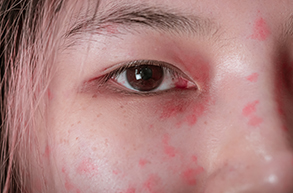
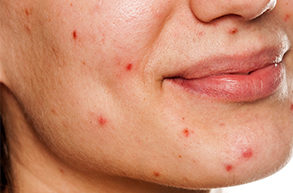
The term “acne scars” refers to a multitude of different pigmentation that follows a breakout. Essentially, when a pimple occurs, the skin in that area becomes inflamed, and inflammation can stimulate pigment production and cause blood vessels to expand. This process leads to lingering brown and red spots of pigmentation appearing after the pimple is healed.
How to treat acne scars at home
Daytime Routine:
Step 1: Cleanse with a gentle cleanser
A good cleanser is essential in any skin care routine, especially if you have acne scars. Washing your face with a gentle exfoliating cleanser removes dirt, oil, and dead skin cells that might contribute to clogged pores.
Step 2: Apply an antioxidant serum
Using an antioxidant serum can play a critical role in fading acne scars. Antioxidants engulf free radicals that contribute to aging skin and UV damage. By protecting the skin, it allows for cells to remove pigmentation more efficiently.
Some honorable mentions that are great for acne scars are Vitamin C and E. Vitamin E is easily absorbed into skin and helps rebuild tissue that assists in fading scars and boosts healing. Vitamin C increases collagen production, which helps rebuild skin barrier and promote a brighter complexion.
Step 3: Use a lightweight moisturizer
Dehydration of your skin will cause an excess production of oil to compensate for the lack of hydration. Excess oil production will eventually lead to breakouts. So, instead of skipping moisturizer, use a non-comedogenic one with a lightweight formula.
Step 4: Apply a non-comedogenic sunscreen
Using sunscreen on a daily basis can help protect against darkening acne scars. A spf between 40 and 50 will protect you from harmful environmental factors, but won’t leave your skin feeling greasy.
Nighttime Routine:
Step 1: Double Cleanse
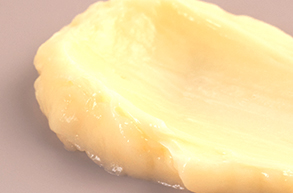
You first want to take an oil-based cleanser or balm and massage a dime-sized amount into the skin. This will help remove any makeup and sunscreen residue on your skin. Then follow up with a gentle water-based cleanser to wash away any debris and impurities that can remain on the skin.
Step 2: Apply exfoliator or apply retinol
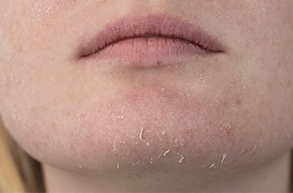
This step is crucial to making a noticeable difference in scarring. An exfoliant and retinol can help resurface skin and fade pigmentation, but using both products at the same time can lead to adverse effects such as redness, flaking, dryness, sensitivity, and irritation. We suggest you use one product at a time and alternate usage in your routine.
Exfoliator: There are different exfoliation methods you can use in this step, but we recommend using a chemical exfoliant for the best results. Glycolic acid and salicylic acid are great exfoliants that penetrate the skin and promote skin cell renewal.
Retinol: When you’re not using an exfoliant, retinol is great for minimizing scars. Retinol is effective in preventing acne scars and treating them. It works by stimulating collagen production to fill in concave scars and clear dead skin cells.
Step 5: Use a lightweight gentle exfoliating moisturizer
Applying a moisturizer is essential for all skin concerns. We recommend choosing one that contains a low concentration of salicylic acid or another gentle exfoliant to enhance skin turnover overnight. A lightweight formula is also important because you want your skin hydrated, but not congest the skin that can lead to breakouts.
Treatments to look for when dealing with acne scars
1) Microneedling
There are two options for microneedling; in-office treatment or at-home treatment. You can purchase a microneedling tool at home, but it will not be as effective as medical grade options available at a clinic or spa. Microneedling makes miniscule micro-wounds in the skin and forces them to produce new healthy collagen and elastin as they heal. Getting microneedling done by a skincare professional will help you achieve faster results safely.
2) Lasers
Lasers can provide long-term benefits and there are multiple laser treatments to choose from including: fractionated resurfacing lasers and intense pulse light. These are commonly used to improve post-inflammatory pigmentation.
- Fractionated resurfacing lasers are ideal if you have thick and bumpy acne scars or brown pigmentation.
- IPL lasers commonly treat redness and thick/firm acne scars.
3) Microdermabrasion
The minimally invasive procedure sands down the skin with an exfoliation tool, taking away the top layer and renewing overall skin tone and texture. These treatments are usually performed in house by an esthetician and while tools that function similarly exist on the market, it is recommended to avoid those so you don’t worsen your acne scar lesions or cause irritation.
What to expect when treating acne scars
Healing any kind of scar tissue takes time and patience. Many factors will determine how long it will take to get rid of acne scars. The timeline is dependent on the type of acne scar and the treatment you choose.
Generally, it takes at least several weeks for treatments to make a difference. It’s important to remember to be patient and not all scars will go away permanently.
When to make an appointment?
If you are not seeing results with your at home routine and over-the-counter products, it may be time to see a professional to go over next steps.
An even and bright complexion is possible with the right routine and treatments. Remember to give your products time to work, avoid picking or popping pimples, and always wear your sunscreen!
To help build your acne scars routine or if you have questions for an esthetician, please create or update your Dermava profile.