Have you ever had the unpleasant experience of razor burn? This uncomfortable problem can cause skin tenderness or a stinging sensation. The good news is that it's temporary, treatable, and highly preventable. Want to know how to get rid of razor burn fast? Smart shaving techniques and some solid skin prep can help.
What Is Razor Burn?
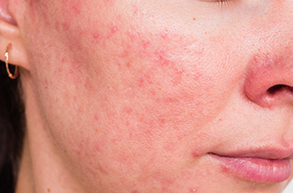
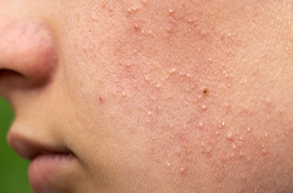
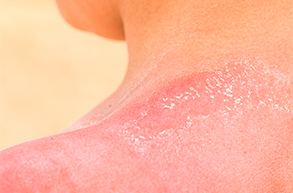
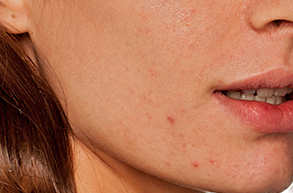
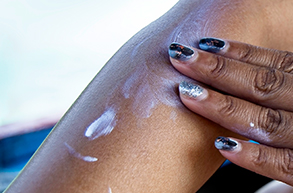
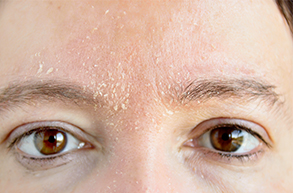
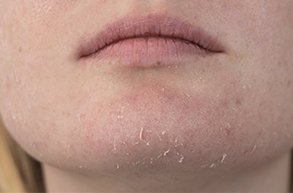
Razor burn is skin irritation that occurs after shaving. The interaction between the blade, hair, and skin is what causes razor burn. It can appear moments or even hours after shaving. And it can happen anywhere on the body, including the face, armpits, groin, or legs. Symptoms may include:
- A red skin rash
- A raw, stinging, or burning sensation
- Itchiness
- Red bumps on the skin
- Tenderness
Difference Between Razor Burn And Razor Bumps
Razor burn should not be confused with razor bumps. People may use the two terms interchangeably, but they are different. Razor burn is irritation caused by shaving, whereas razor bumps occur when hair follicles are infected with bacteria, viruses or fungi, and result in pimple-like.
What Causes Razor Burn?
You can develop razor burn for a number of different reasons. There isn’t any one specific thing to avoid.
The following can lead to razor burn:
- Shaving without using a lubricant, such as soap and water or shaving cream (dry shaving)
- Shaving against the direction of your hair
- Using an old razor
- Using a razor that’s clogged with hair, soap, or shaving cream
- Shaving a single area too many times
- Shaving too quickly or pressing too hard
- Using shaving products that irritate your skin
It’s important to remember that your razor is a tool that must be maintained and replaced as needed. Even if you’re using an appropriate lubricant and shaving in the correct direction, a dull or clogged blade can cause you to develop razor burn.
How Long Does Razor Burn Last?
Razor burn usually goes away within 2–3 days. If it lasts longer, it’s best to stop shaving to reduce inflammation.
How To Treat Razor Burn
Treating razor burn is easy, and there are many all-natural ways to treat it. Here are some of the most effective solutions:
Cool it off
Razor burns can feel like fire on your skin. A cold compress can certainly help relieve the inflammation. Simply wet a clean washcloth with cold water and stick it in the fridge for a few minutes before gently applying it to the affected area.
Apply astringent
An astringent is a chemical that cleans excess dirt off the skin and constricts pores. When used on razor burns, an astringent can help reduce redness and inflammation. Many astringents are alcohol-based and not recommended for those with sensitive skin.
Witch hazel
It is an astringent and anti-inflammatory, thanks in part to its tannin content. Apply to razor burn with a cotton pad as needed.
Soften with oil
Natural oils soften and hydrate skin. For a very emollient (skin softening) oil try sweet almond oil. Apply it every time after you shave to prevent razor burns, or you can apply a thin layer to the affected area. If you’re allergic to almonds, don’t use sweet almond oil. Coconut oil is another great choice, as is avocado and olive oil.
Tea tree oil is an anti-inflammatory and antimicrobial. It’s used as a natural remedy to heal minor wounds and soothe burns. Tea tree oil should not be used undiluted. Mix it with carrier oil, such as sweet almond oil or coconut oil. Use 1 to 3 drops of tea tree oil per 1 teaspoon of carrier oil.
For other natural options that don’t contain alcohol, try apple cider vinegar and cold black tea.
Sooth with Aloe Vera
The cool, healing properties of aloe vera have been shown to soothe burns and skin inflammation. If you have a plant on hand, cut a piece off one of the leaves and apply the juices stored inside directly to the skin.
Take an oatmeal bath
Oatmeal’s antioxidant and anti-inflammatory properties help soothe irritated skin. Empty a packet of colloidal oatmeal into a tub full of warm water, and soak for at least 15 minutes for razor burn relief.
Cover with baking soda
Baking soda baths will also treat razor burn. Just add a cup of baking soda to a warm bath and soak. Or you can just apply baking soda directly to the razor burn by soaking a clean washcloth or cotton ball in a mixture of one cup of water and a tablespoon of baking soda. Let it dry on your skin. Once dry, wipe it off.
Calendula cream
Calendula cream is an herbal remedy made from calendula flowers. It’s used to reduce inflammation, heal rashes, and promote wound healing. Apply a thin layer of calendula cream to the affected area once or twice per day.
Honey
Known for its antibacterial properties, honey can also be used to treat razor burn quickly. It can reduce swelling and prevent the area from becoming infected. Apply some honey directly on the irritated skin. Allow it to air dry and rinse it off with cold water.
Cucumber
The hydrating and anti-inflammatory properties of cucumber help deal with razor burn symptoms quickly. Plus, cucumber contains vitamins C and K, two important ingredients for relieving pain and itchiness.
Slice a fresh cucumber and put the slices in the refrigerator for 30 minutes. Rub the cool cucumber slices gently on the razor burn for 10 minutes at a time. Repeat at regular intervals until the skin heals.
Take a shave break
Sometimes your skin just needs a chance to heal. Let your skin rest and cease shaving for a few days or until the razor burn clears up. Shaving over razor burn might cause more irritation, inflammation, and possibly infection.
How To Prevent Razor Burn
You can do a few things to prep your skin for a soft and smooth shave. These best practices can help you prevent razor burn or other irritation from shaving.
Moisturize before and after shaving
Pre-shave and post-shave hydration can prevent razor burn. Douse your skin in warm water and apply moisturizing shaving cream. Afterward, use a soothing moisturizer, like coconut oil or an unscented cream.
Apply warm water to your skin before shaving
You can do this by shaving in the shower or bath or applying a warm compress to the area. Warm water opens up the pores and softens the hair, making it easier to shave.
Exfoliate the skin
Exfoliating removes dead skin cells and residue, helping you get a smoother shave.
Shave in the direction your hair grows
Shaving against the grain can lead to irritation. To prevent this, shave in the direction of hair growth.
Use short, gentle strokes
Use light amount of pressure to help avoid razor burn, irritation and cuts. Try to save the more sensitive areas of your body until last. This will give your shaving foam or gel plenty of time to soak into your hair, reducing the likelihood of a burning rash on your face or other sensitive areas.
Rinse your blade as you shave
Don’t let hair and skin cells accumulate on your blade while you shave. Instead, rinse the blade off as you go to keep the blade clean and sharp.
Always work with a new blade
You should never shave with a dull or old blade. Experts recommend replacing your blade after 5 to 7 shaves or as needed to razor burn. Remember to clean electric blades after every 5 to 7 shaves, too.
Keep your razor dry
Don’t keep your razor blade in the shower where it can get wet and rusty. A rusty blade can cause razor burn, cuts, and infection. So, dry your razor after each use and replace the cap.
Don’t Get Burned by Re-Strokes
As you’re shaving those hard-to-get neck spots, you go over the same area many times and now you have a burning rash on your neck. Once you scrape off the shave cream, be mindful of repeating strokes, as this decreases lubrication, which can lead to shaving irritation.
Tips On Preventing Razor Burn From Getting Worse
- Avoid products that contain alcohol, as they can further dry out the skin.
- Don’t touch or scratch the area, while making sure you keep it clean
- If you can, try not to shave for a few days, as your skin needs time to heal.
When To See A Doctor
While razor burn is rarely serious, you should consult your doctor in the following cases.
- Discomfort causes you to lose sleep or results in difficulty performing ordinary activity
- The rash continues for weeks
- There is any sign of infection such as pus
- It is severe enough to blister
Takeaway
Razor burn is a type of skin irritation that often results from improper shaving techniques and sensitive skin that produces red, irritating rashes on the skin.
It is vital to improve your shaving routine to prevent razor burns. In general, make sure to use a clean, sharp razor, exfoliate your skin, and use a shaving gel or cream every time you shave.
You can treat your razor burns easily with a few at-home treatments that soothe your skin like aloe vera, cold compress, natural oils, and baking soda.
With proper care, most cases of razor burn usually clear up in a few days. If possible, take a few days off from shaving to give your skin time to heal. Consult your doctor if the symptoms do not subside after a week of treatment.
Everyone wants to enjoy a close, smooth shave without skin irritation. By taking a few extra moments to ensure that you have prepared your skin before shaving, you can avoid the stinging rawness of razor burn. We hope you found our tips helpful.