What is Dry Hair?
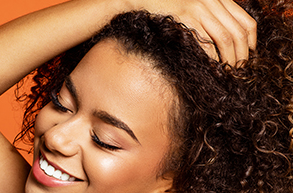
Dry hair refers to hair that lacks sufficient moisture and natural oils to maintain its optimal health and appearance. When hair is dry, it can feel rough, brittle, and prone to frizz and breakage. Dry hair often appears dull and lacks the natural shine and vitality that well-hydrated hair possesses. This condition can be caused by a variety of factors, including:
- Lack of Sebum Production: Some individuals have naturally dry scalps, leading to less sebum production and subsequently dry hair.
- Environmental Factors: Exposure to harsh weather conditions, such as strong winds, excessive sun exposure, and cold temperatures.
- Frequent Washing: Washing hair too frequently or using harsh shampoos.
- Heat Styling: Frequent use of hot styling tools like hair dryers, straighteners, and curling irons can damage the hair cuticle and lead to dryness and breakage.
- Chemical Treatments: Treatments such as bleaching, coloring, perming, and chemical straightening.
- Health Conditions: Certain medical conditions, such as hypothyroidism and hormonal imbalances.
- Nutritional Deficiencies:A lack of essential nutrients, such as vitamins and minerals that support hair health.
- Aging: As we age, the natural oil production in the scalp may decrease, leading to drier hair.
How to Treat Dry Hair
While dry hair can be caused by some factors out of our control (weather changes, medication, health or hormonal changes), it's most often caused by insufficient products, overprocessing or coloring hair, and lack of proper care. Here are some tips to help you combat dry hair and restore its moisture and vitality:
Tip 1: Use a Moisturizing Shampoo and Conditioner
Choose shampoos and conditioners specifically formulated for dry or damaged hair. Look for products containing ingredients like glycerin, hyaluronic acid, and natural oils to help retain moisture.
Tip 2: Limit Washing Frequency
Overwashing can strip your hair of natural oils, leading to dryness. Try to wash your hair every 2-3 days rather than daily.
Tip 3: Cold Water Rinse
After conditioning, rinse your hair with cold water. Cold water helps to seal the cuticle, locking in moisture and increasing shine.
Tip 4: Use a Deep Conditioning Treatment
Apply a deep conditioning treatment or hair mask once a week. Leave it on for the recommended time to deeply hydrate and nourish your hair.
Tip 5: Avoid Hot Water
Hot water can strip your hair of its natural oils. Wash your hair with lukewarm or cool water to prevent further dryness.
Tip 6: Pat Dry, Don't Rub
After washing your hair, gently pat it dry with a soft towel. Avoid rubbing vigorously, as this can cause friction and damage.
Tip 7: Use a Wide-Tooth Comb
Detangle your hair with a wide-tooth comb while it's still damp. This minimizes breakage and reduces stress on your hair.
Tip 8: Heat Styling Protection
Apply a heat protectant spray or serum before using heat styling tools to shield your hair from damage.
Tip 9: Limit Heat Styling
Reduce the use of hot tools like hair dryers, curling irons, and straighteners. Air-drying your hair whenever possible can help retain moisture.
Tip 10: Trim Regularly
Regular trims help to prevent split ends and breakage, maintaining the health of your hair.
Tip 11: Avoid Harsh Chemicals
Minimize the use of harsh hair treatments, such as bleaching, perming, and excessive coloring. These can contribute to dryness.
Tip 12: Use Natural Oils
Apply a small amount of natural oils, such as argan oil, coconut oil, or jojoba oil, to the ends of your hair to add moisture and shine.
Tip 13: Humidifier
If you live in a dry climate, consider using a humidifier in your living space to add moisture to the air, which can benefit your hair.
Tip 14: Stay Hydrated and Eat a Balanced Diet
Proper hydration and a diet rich in vitamins and nutrients, especially those that support hair health (like vitamins A, C, E, and biotin), can contribute to healthier hair.
Tip 13: Avoid Tight Hairstyles
Tight hairstyles like ponytails and braids can stress your hair and lead to breakage. Opt for looser styles whenever possible.
What to Expect?
Remember that achieving and maintaining hydrated hair takes time and consistent effort. It might take a few weeks to notice significant improvement, but with the right care, you can gradually restore your hair's moisture and vitality.
If you have severe dryness or underlying issues, consulting a professional hairstylist or dermatologist can provide personalized advice.