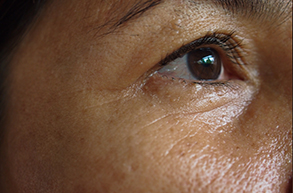
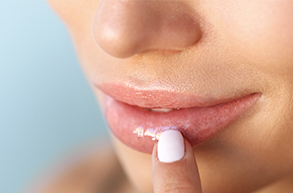
If you have light patches and spots on your skin, you may have a condition called depigmentation or loss of pigment. It occurs when your skin cells fail to produce melanin, the pigment responsible for giving your skin its color.
Below are some causes of pigmentation loss on the skin:
Pigmentation loss as a result of skin damage
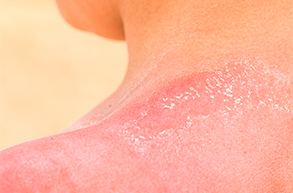
If you've had a skin infection, blisters, burns, or other trauma to your skin, you may have a loss of pigmentation in the affected area.
The good news with this type of pigment loss is that it's frequently not permanent, but it may take a long time to re-pigment. Cosmetics can be used to cover the area, while the body regenerates the pigment.
Vitiligo
Vitiligo causes smooth, white patches on the skin. In some people, these patches can appear all over the body. It is an autoimmune disorder in which the pigment-producing cells are damaged.
There is no cure for vitiligo, but there are several treatments, including cosmetic cover-ups, corticosteroid creams, calcineurin or ultraviolet light treatments.
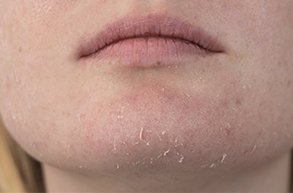
Pityriasis alba
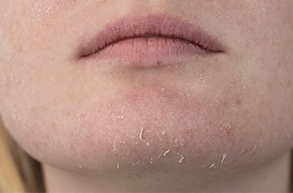
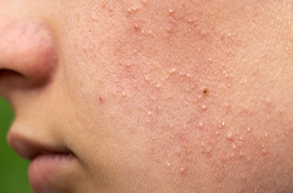
A common, benign skin disorder consisting of characteristic round or oval hypopigmented lesions with fine scales and occurring predominantly in children and adolescents. Most patients have a history of atopy and pityriasis alba may be a minor manifestation of atopic dermatitis.
No treatment is required for pityriasis alba. The patches usually go away with time. Your doctor may prescribe a moisturizing cream or topical steroid cream such as hydrocortisone to treat the condition.
Idiopathic guttate hypomelanosis (IGH)
A benign, typically asymptomatic, that is seen in elderly, fair-skinned individuals, It’s characterized by small round or oval, porcelain-white spots that appear on sun-exposed areas of the skin, especially on the forearms and shins. They rarely develop on the face.
It usually does not require treatment, although sun protection is recommended. If the spots are bothersome, the easiest treatment is cosmetic camouflage or applying a dab of foundation or concealer to the area. Topical retinoids, topical calcineurin inhibitors, cryotherapy, chemical peels and superficial dermabrasion can be effective in treating the condition.
Tinea Versicolor
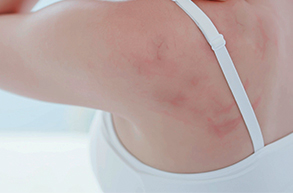
A common fungal infection of the skin. The fungus interferes with the normal pigmentation of the skin, resulting in small, discolored patches. These patches may be lighter or darker in color than the surrounding skin and most commonly affect the trunk and shoulders
Tinea versicolor occurs most frequently in teens and young adults. Sun exposure may make tinea versicolor more apparent. It is not painful or contagious.
Antifungal creams, lotions or shampoos can help treat tinea versicolor. But even after successful treatment, skin color may remain uneven for several weeks or months. Tinea versicolor often recurs, especially in warm, humid weather.
Halo Nevus
A halo nevus is a mole surrounded by a white ring or halo. These moles are almost always benign, meaning they aren’t cancerous. They’re fairly common in both children and young adults.
Halo nevi look like regular brown, tan, or pink moles in the center of a circular white patch of skin. They can show up anywhere on the body, but they’re most common on your chest, abdomen, and back.
Halo nevus does not require any treatment. It may take a while, but a halo nevus will eventually fade away on its own, and your skin pigmentation should return to its usual color.
Make sure you apply sunscreen to your halo nevus whenever you’re outside for more than 15 minutes. The lack of pigment around the mole leaves your skin more vulnerable to sunburns.
Albinism
It is a rare inherited disorder caused by the absence of an enzyme that produces melanin. This results in a complete lack of pigmentation in skin, hair, and eyes. Albinos have an abnormal gene that restricts the body from producing melanin.
There is no cure for albinism. People with albinism should use sunscreen at all times because they are much more likely to get sun damage and skin cancer. This disorder can occur in any race, but is most common among whites.
Dermatitis (Inflammation of the Skin)
In some cases, inflammation causes not hyperpigmentation but rather depigmentation, which can be light or totally white. This depigmentation most often appears in children, on the face, and is more visible against dark skin. It is temporary and goes away with treatment.
Since the patches on your skin often resolve on their own, there are no specific treatments for eczema-related pigment changes. Your doctor may recommend lotions to reduce itchiness and help your skin retain moisture or topical steroid creams to decrease inflammation.
Symptoms Of Pigmentation Loss
Depigmentation can stay in one spot on your skin or spread to cover other parts of your skin. It affects the face, hands, legs, areas exposed to the sun, around moles, and near body openings.
Primary signs of depigmentation include:
- lightened or white skin that manifests in spots or patches
- hair that becomes gray or white prematurely, including beards, eyelashes, and eyebrows
- lightening coloration of the tissues within your mouth and nose
- altered color of the retina in the eyes
Takeaway
For some reason, the cells that produce melanin (melanocytes) can get destroyed, and hence no melanin is formed. Without melanin, white or light patches appear on your skin.
Common causes of pigment loss are skin damage, vitiligo, albinism, halo moles, tinea versicolor, idiopathic guttate hypomelanosis, and sometimes inflammation of the skin.
Signs of pigment loss are patches or white skin on the body, lightening of tissues within your mouth or nose, hair that becomes white or gray prematurely.
Skin depigmentation does not affect your physical health, but it can make you feel self-conscious, resulting in low self-esteem. Luckily, there are various treatments for depigmentation in the market to reduce or contain depigmentation. You may consult your dermatologist for diagnosis and treatment.