Allergens In Skincare: What It Means For You
Allergic reactions can vary from person to person, and it’s important to know what ingredients may cause reactions in your skin.
If you have sensitive skin, you probably already take precautions to choose products that cater to your specific skin type. However that may not always be enough to prevent irritation or a reaction.
In this article, we’ll discuss the claims skincare brands make, common allergens, possible reactions, and how we screen our products here at Dermava.
Are Claims Made On Skincare Products FDA Regulated?
There are endless skincare products on the market labeled “hypoallergenic,” “safe for sensitive skin,” or “allergy tested,” but is there any weight to these claims?
Currently, the FDA has no regulations on these terms skincare brands can use on cosmetic products.
Since these claims can be made with no evidence, it’s wise always to check the ingredients lists of a new product. Just because something is labeled as natural, hypoallergenic, or organic, doesn’t mean it won’t be irritating to the skin or contain allergens.
What Are Some Common Allergens In Skincare To Look Out For?
Fragrance
Fragrance is one of the most common causes of skin sensitivities and allergic contact dermatitis.
Fragrance in a product can contain hundreds of components, and skincare companies are not required to disclose all of those components. The terms “fragrance-free” and “unscented” are often used interchangeably, but they are not the same.
Unscented products could still contain a masking fragrance, which is there to neutralize any unwanted scents in the product. Although fragrance doesn’t irritate everyone’s skin and some people may tolerate it just fine, we suggest opting for fragrance-free products as often as possible.
Parabens
Parabens are a group of synthetic compounds that act as preservatives in skincare products.
Although it’s less common to experience an allergic reaction from parabens, it is more likely for those with existing issues like psoriasis, eczema, or contact dermatitis.
Sulfates
Sodium laureth sulfate and sodium lauryl sulfate are common in skincare, haircare, and bath products.
As with parabens, sulfates don’t often cause allergic reactions but may cause rashes and itching. Those with sensitive or acne-prone skin should avoid sulfates as much as they can.
Dyes
Dyes are another culprit mostly found in hair products, cosmetics, and some skincare products.
The dye ingredient which causes the most reactions, and you should always be checking for is paraphenylenediamine (PPD). Dyes can usually be found towards the end of ingredients lists.
Benzyl Alcohol
Benzyl alcohol is a common ingredient used for its fragrance, preservative abilities, and antimicrobial properties.
In rare cases, it could cause hives and irritation - if you have sensitive or reactive skin, this is one to avoid.
Propylene Glycol
Propylene glycol is a humectant often used in moisturizers to lock in moisture to the skin.
However, even in low concentrations, it may cause an allergic reaction to those with sensitive skin or existing skin conditions.
Essential Oils
Essential oils are highly concentrated substances used for their fragrance and antimicrobial properties. Many believe that because they are extracted from plants and trees, they must be completely safe. It’s a nice thought, but it just isn’t the case.
Essential oils should never be used on the skin without being diluted with a carrier oil first. If you have sensitive skin or existing conditions like eczema or psoriasis, we advise avoiding essential oils altogether.
How Do I Know If I’m Having An Allergic Reaction?
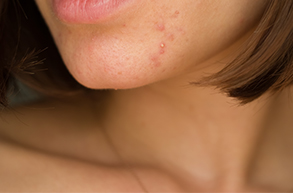
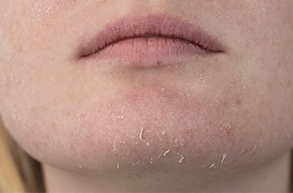
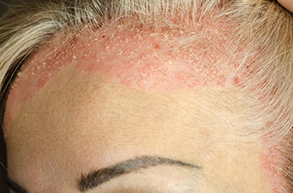
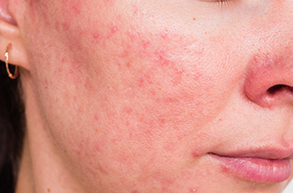
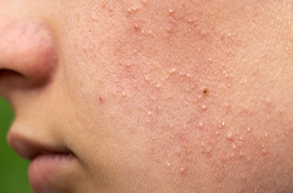
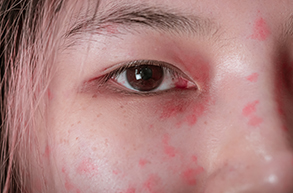
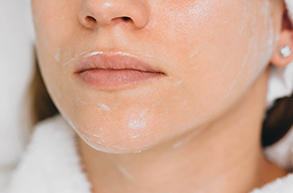
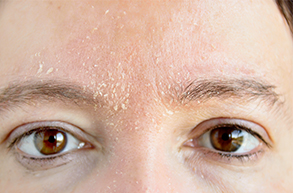
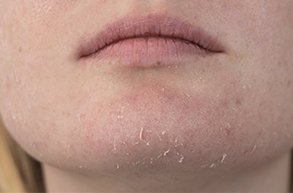
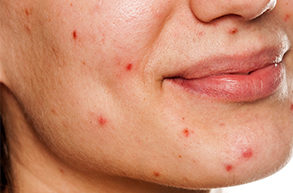
The most common skin reaction is irritation or irritant contact dermatitis, which can cause burning, stinging, itching, and redness.
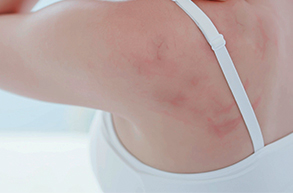
Skin allergies or allergic contact dermatitis is a true allergy to a specific ingredient in a product that causes redness, swelling, itching, or blisters on the skin.
Fragrances and preservatives are often the biggest culprits of causing true allergic reactions.
What’s The Difference Between Skin Irritation And An Allergic Reaction?
Irritant contact dermatitis is the reaction that occurs because an ingredient has irritated the skin. Skin reactions are limited to only where the product was applied, and do not cause a reaction in the immune system.
Allergic contact dermatitis is a true allergic reaction. The immune system reacts to an ingredient as if it is harmful to your body. The reaction from a true allergy is often much more severe than with irritant contact dermatitis.
What Are Some Other Ingredients In Skincare Products That May Cause Allergic Reactions Or Irritations?
While the ingredients discussed above are among the most common ingredients to cause a reaction in people, the following are also some you may want to look out for:
- Aspirin
- Silicones
- Gluten
- Lactose
- Latex
- Peanuts
- Retinol
- Shellfish
- Nuts
- Soy
How Does Dermava Screen For Allergens?
All of our products are checked over by one of our expert estheticians to look out for possible allergens that manufacturers may not have listed. Because the FDA doesn’t regulate many cosmetic claims brands use today, we check each ingredients list to call out possible allergens for your safety. Any possible allergens in a product we sell will be listed directly below the full ingredient list.
Allergens and irritants can cause a host of different symptoms and reactions in your skin. Even if you don’t have sensitive skin, it’s important to be aware of these ingredients as they can sensitize your skin over time. Don’t take every claim for face value, and make sure to always check ingredients lists.