Allergens In Skincare: What It Means For You
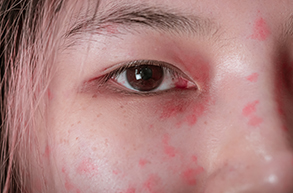
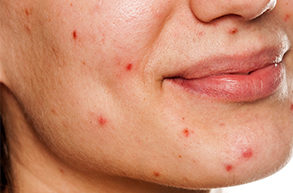
Acne is a common skin condition that causes pores to become clogged by sebum, hair, bacteria, and dead skin cells. Nearly everyone has dealt with acne to some degree.
It’s estimated that 80% of people between the ages 11 to 30 will experience at least a mild form of acne, at some point in their lives.
In this article, we’ll discuss the different types of acne, what causes it, and how to treat it.
Are There Different Types Of Acne?
Most people may not realize that “acne” can be a broad term. Believe it or not, acne can take several forms, and you may even be dealing with multiple types of acne at once.
Acne is broken up into these types:
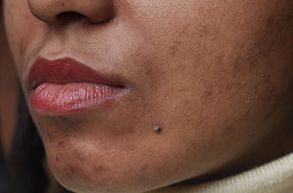
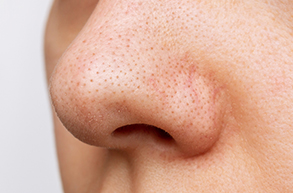
- Blackheads: Open pores clogged with excess oil and dead skin. They appear as a dark spot on the skin, but are caused by irregular light reflection off the clogged follicle.
- Whiteheads: Closed pores clogged by excess oil and dead skin.
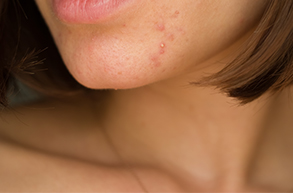
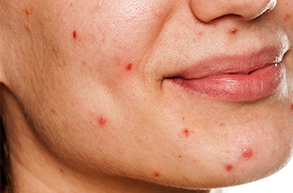
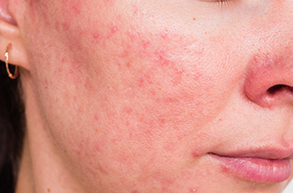
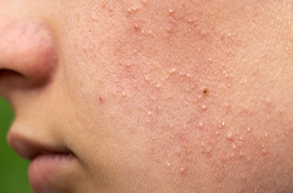
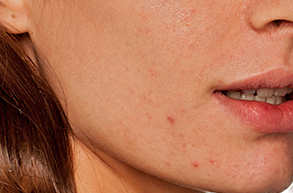
- Papules: Small red bumps that become inflamed and tender.
- Pustules: Pus containing pimples that appear as whiteheads with a red ring surrounding them.
- Nodules: Large, painful, solid pimples deep in the skin.
- Fungal acne: Small, itchy, inflamed bumps that occur when an excess of yeast develops in the hair follicles.
- Cysts: Painful pimples containing pus, deep under the skin. These may leave scars.
What Causes Acne?
There are countless reasons acne may form, but here are some of the most common:
Genetics
Most acne is unfortunately hereditary. If one of your parents had acne, you’re likely to have it too.
Hormones
Acne is most common in teenagers because of the hormonal changes they go through. When androgen levels rise during puberty, the sebaceous glands enlarge to produce more oil. Hormonal acne can also occur during menstruation and pregnancy.
Stress & Anxiety
These directly affect the levels of hormones such as cortisol and adrenaline. These stress hormones cause the production of testosterone, which increases oil production.
Neglect
With oily skin types specifically, if you don’t take care of your skin by regularly cleansing and exfoliating, you’ll likely suffer from acne.
Medications
Drugs that contain androgens, lithium, or corticosteroids can cause acne.
Diet
Although chocolate and greasy food is often linked to acne, it’s actually a high glycemic and high dairy diet that can cause breakouts. A study published in the Journal of the Academy of Nutrition and Dietetics found a link between acne and diets high in dairy products, sweets, bread, rice, pasta, and potatoes.
How Is Acne Treated?
Acne treatment depends on several factors like the type of acne, where it appears on the skin, your age, and when the breakouts started.
The most common treatment for severe acne is topical retinoids like tretinoin. These work by increasing cell turnover in the skin, which in turn doesn’t allow bacteria enough time to settle into pores. Other medications like isotretinoin and antibiotics are often used to treat severe acne and must be prescribed by a dermatologist.
For more mild acne, incorporating ingredients like benzoyl peroxide, azelaic acid, and salicylic acid are a great solution. You can find these ingredients in nearly any form from cleansers to moisturizers.
Birth control is another option for stubborn, hormonal acne. Although it can be tricky as everyone reacts differently to hormonal treatments, birth control has an equal chance of clearing acne as it does making it worse.
Know When To Seek Help
Stubborn acne can take a toll on our self-esteem, and cause further skin issues like scars and hyperpigmentation. Stick to soothing products and don’t be too rough on your skin. Try to find products that provide a gentle daily exfoliation. The best course of action is to talk to your dermatologist or esthetician to formulate a treatment plan.