Many of our favorite skincare products give us such great results, we want to use them everyday. From cleansers that exfoliate to serums that brighten, they most likely include ingredients that make our skin sensitive to sun exposure.
Some products are okay to use during the day in addition to sunscreen, and others are best left for your nighttime regimen. Luckily, there are some alternative and naturally derived ingredients that work to give you the same result without highly sensitizing your skin in the sun.
Let's break down some photosensitizing ingredients, how they affect your skin, their alternatives, and when to use them for the best results.
What Products Cause Sun Sensitivity?
Vitamin A
The most common vitamin A derivatives are retinol and isotretinoin (also known as accutane). Retinol speeds cell turnover and thins out dead skin promoting a youthful and even complexion. Isotretinoin is an intense acne medication prescribed by dermatologists.
Retinol is usually found in serums and night creams, and packaged in opaque, air tight containers. This is because retinol efficacy is drastically altered by UV exposure, making this formula best for use during an evening routine.
Isotretinoin is a topical or oral acne treatment and has many side effects including sun sensitivity. Direct sun exposure is not recommended while on accutane. An spf of at least 50 in addition to protective clothing is required to reduce irritation of indirect UV light.
Vitamin A derivatives provide great benefits but can also make your skin very sensitive.
Even if using retinol at night, you should always wear a sun protecting factor during the day to protect the results it will provide.
High strength derivatives like Isotretinoin have alternatives which are other forms of vitamin A. But because it is prescribed when individuals are unresponsive to other acne treatments, we recommend you speak with your doctor to discuss your options.
Hydroxy Acids or AHA’s and BHA’s
There are two main types of chemical exfoliation. AHA’s which is abbreviated for alpha hydroxy acids include glycolic, malic, lactic, citric and mandelic acids. BHA’s shortened for beta hydroxy acids include the ingredient salicylic acid.
Glycolic acid dissolves dead skin cells and absorbs excess oil production. Salicylic acid is popular for cleaning and unclogging pores while also reducing breakouts and calming inflammation.
Both types of hydroxy acids are fruit derived and can make your skin sensitive to sun exposure. However, glycolic acid is the most commonly listed hydroxy acid that causes sensitized skin.
These acids can be found in chemical peels, toners, exfoliants, serums, creams and cleansers. Higher dosed acids are commonly added in products that don’t require rinse or removal to impact the skin at a faster rate.
Glycolic acid can be interchanged with Retinol, a vitamin A derivative for a less aggressive reaction. Benzoyl peroxide can replace salicylic acid for a slightly more intense treatment that reduces and kills acne bacteria.
It is best to use glycolic acid in your night regimen but salicylic acids are okay for daytime use. Skin professionals highly recommend that you wear sun protection while actively using forms of either alpha or beta hydroxy acids.
Benzoyl Peroxide
This form of antiseptic can be used as a topical acne treatment that attacks harmful bacteria and free radicals, or to treat the skin condition rosacea which causes redness and irritation in the skin.
Benzoyl peroxide can be purchased over the counter in a low percentage or prescribed by a dermatologist depending on the severity of an individual's acne or rosacea. It comes in different forms such as medicated pads, creams, gels, cleansers, and lotions.
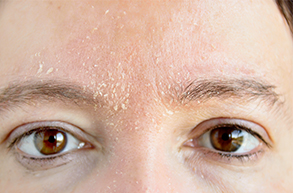
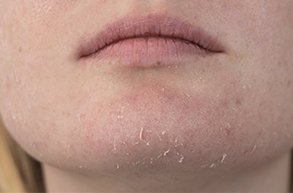
This ingredient is most commonly used to treat mild to moderate acne and causes the skin to become thin and dry, eventually peeling. Unless noted by your physician, it is not recommended to use other peeling agents, topical acne treatments, astringents or after shave products while using benzoyl peroxide.
It is important to wear sunscreen while using any form of benzoyl peroxide due to the effects it has on your skin. There is an alternative to this ingredient that provides the same benefits plus more that does not make you as photosensitive.
Azelaic acid is a yeast and grain derived ingredient that works well alone or can be used with hydroxy acids. This ingredient does not cause skin sensitivity during sun exposure and is also safe for pregnant women. It reduces the appearance of dark marks, calms irritated skin including rosacea, also exfoliates and evens the skin's tone and texture.
Hydroquinone and Kojic Acid
Both ingredients hydroquinone and kojic acid are used to lighten the appearance of hyperpigmentation, commonly known as dark marks or post acne scarring. They work by inhibiting the production of melanin in the skin.
Hydroquinone has been considered the gold standard in terms of skin lightening. It naturally occurs in pears, blueberries, the insect bombardier beetles, and coffee. It can be found in creams, serums and lotions, and should be used only in affected areas or as a spot treatment.
Kojic acid is derived during the fermentation of mushrooms and is known to provide a less irritating experience when compared to hydroquinone. It is commonly formulated in cleansers and serums and is okay to be used over the entire face.
When used together, these ingredients reverse the appearance of melasma found on the face and body. Kojic acid is formulated in a low dose and can be found in over the counter products. If formulated in a percentage less than 2%, hydroquinone can also be found in otc products. When a higher strength is required, so is a prescription from your dermatologist.
Kojic acid is a great substitute for hydroquinone. It creates an even complexion all over instead of patches of lighter skin like hydroquinone can. It is also recommended for those who have a darker skin tone ranging from a 4 to 6 on the fitzpatrick scale.
Because these ingredients are designed to brighten the appearance of skin, it is a must that you use sun protection. Products containing these ingredients are best used at night during the cellular rejuvenation process. This allows for the products to work uninterrupted without causing UV damage to the skin.
All of the ingredients listed are great performers and are the most recommended for its particular function and set of benefits. They work to alter our skin in positive ways but can sensitize our skin if we do not use them responsibly.
Even though it has been emphasized during the use of these specified ingredients, sunscreen is the most important product you will own. It protects your skin irregardless of using products that cause sensitivities during sun exposure.
Keep in mind, the best way to avoid adverse reactions is to
- Follow the directions listed on the packaging.
- Follow your health providers instructions and speak up if the product makes you too uncomfortable to continue your prescription.
- Using these ingredients at night will offer the best results and reduce the risk of chemical burns.
- Always use sunscreen and protective clothing even when you use these activities the night before.